05.09.2026
Event Cancelled in the Ruhr Area? Plan B with Rituals, DIY & Tea
Event cancelled in the Ruhr Area? Turn the unexpected free time into a calm Plan B with a short ritual, tea, DIY, a q...
Weiterlesen →

Layering home fragrances means combining complementary notes without making a room feel crowded. The most balanced approach starts with one clear main fragrance and one supporting note.
Choose a direction first: citrus, floral, woody, fresh, resinous or warm. This gives the blend a clear identity and prevents too many competing impressions.
Combine one expressive note with one supporting note. Lemon with cedarwood, rose with patchouli, vanilla with sandalwood and sea salt with bergamot are useful examples.
Citrus and green notes add brightness. Woods, resins, musk and warm gourmand notes add depth and softness.
You can also create a gentle progression through the home: bright citrus in the entrance, a softer woody or floral profile in the living room and calm white tea or musk in the bedroom.
In spring, combine floral and green notes. In summer, use citrus, sea salt and tea. In autumn, add woods, black tea and spice. In winter, choose vanilla, sandalwood, myrrh and frankincense.
Too many strong notes can compete. In most rooms, two complementary profiles are enough. Use lower intensity in bedrooms, bathrooms and small entrance spaces.
Read our guides to citrus fragrances, woody fragrances, floral fragrances, resinous fragrances and fragrance for every room.
For most rooms, two complementary profiles are enough. Larger rooms can sometimes support a third subtle accent.
Sandalwood, vanilla, musk and white tea can make blends feel softer and more rounded.
Lemon, grapefruit, bergamot, green tea, sea salt and eucalyptus add freshness and clarity.
Discover selected home fragrance, scented candles and ritual ideas in the SteinKunstWerk collection. Use the language selector in the shop to switch to your preferred language at any time.
SteinKunstWerk is a German brand for selected home fragrance, candlelight, mindful rituals, decorative objects and thoughtful gift ideas.
Event cancelled in the Ruhr Area? Turn the unexpected free time into a calm Plan B with a short ritual, tea, DIY, a q...
Weiterlesen →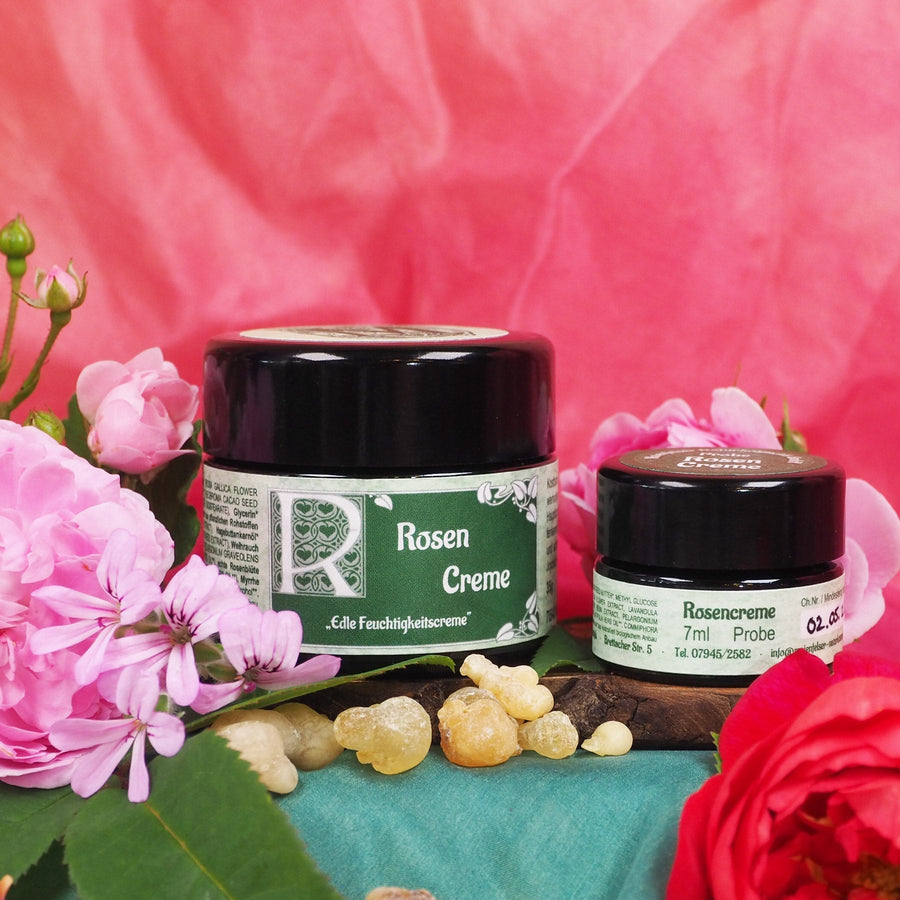
Choose creams and balms in autumn according to skin feel, apply sparingly and avoid product overload.
Weiterlesen →
Four steps to simplify care, home fragrance, decor and light at the beginning of October.
Weiterlesen →
Kommentare
Kurze Gedanken zählen. Wenn du magst: setz den ersten Ton – oder antworte direkt mit @Name:
Pro-Tipp: Wenn du jemandem antworten willst, starte mit @Name:
Mach aus dem Lesen ein Ritual.
Wenn dich der Beitrag gerade trifft: nimm die Stimmung mit – als Duft, Deko oder Geschenkidee.
Mach aus dem Lesen ein Ritual.
Wenn dich der Beitrag gerade trifft: nimm die Stimmung mit – als Duft, Deko oder Geschenkidee.
Passt der Beitrag zu dir?
Alle Kollektionen