08.08.2026
Japandi Late Summer Light 2026: Quiet Evenings at Home
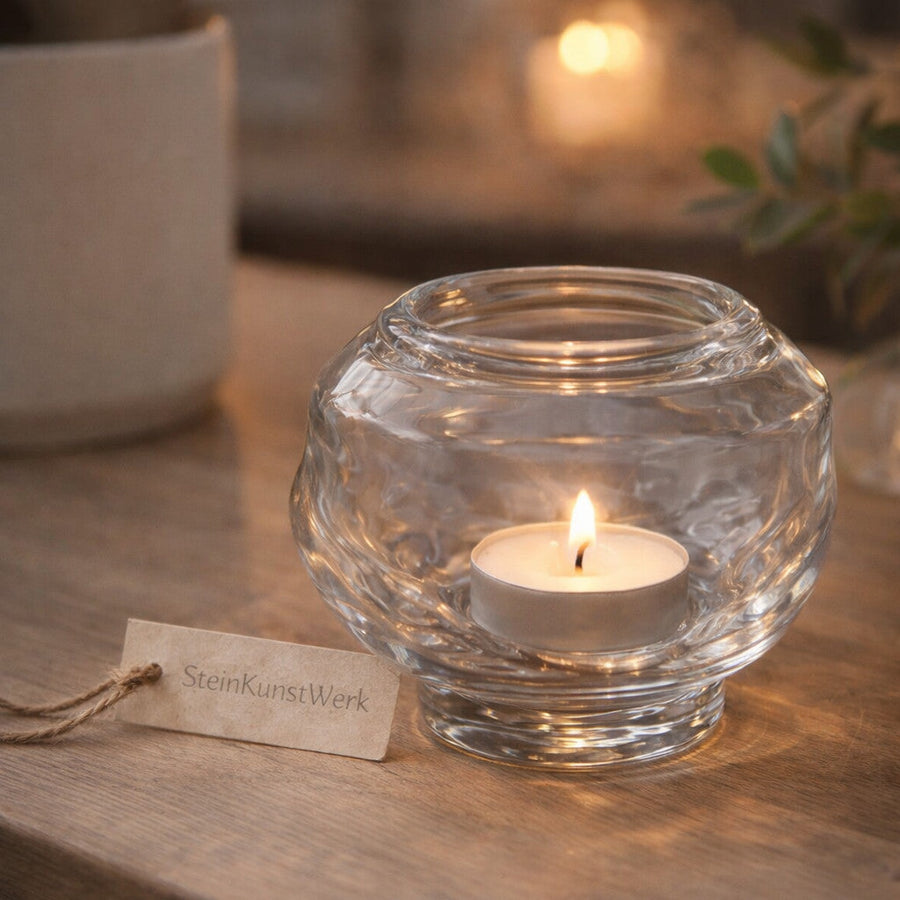
Japandi Late Summer Light: clear shapes, soft light accents, and calm evening moments at home.
Weiterlesen →
Japandi combines Japanese clarity with Scandinavian warmth. This living style appears calm, uncluttered, and natural – without seeming cold or impersonal. The key is not to own as little as possible, but to choose consciously: clear forms, natural materials, soft colors, and home accessories that are both beautiful and practical.
In this article, we'll show you how to implement Japandi in different rooms, which decorations are particularly suitable, and how even small changes can bring more tranquility into your home.
The term Japandi is a portmanteau of "Japan" and "Scandi." It refers to the fusion of two design philosophies: Japanese minimalism and Scandinavian coziness. Both styles value craftsmanship, natural materials, and clear forms.
Typical for Japandi are:
Japandi, therefore, does not mean emptiness, but balance.
The color palette is restrained and warm. Sand, beige, cream, greige, taupe, warm gray, sage green, and natural wood tones work particularly well. Dark accents in anthracite or black create contrast but should be used sparingly.
An easy starting point is a neutral base color for walls and larger furniture. Decorations can then be complemented with warmer nuances or individual dark details.
Materials give Japandi its depth. Smooth and rough surfaces can deliberately stand side by side. Particularly suitable are:
Handmade products are particularly well-suited because small variations in surface and form make the character of the material visible.
A typical Japandi decoration does not consist of many small objects. Instead, individual, calm decorative islands are created. On a sideboard, for example, this could be a simple bowl, a small vase, and a single branch. On the coffee table, a book, a scent object, and a tray are sufficient.
A helpful rule is: every object should either have a function, possess special meaning, or deliberately complement the space.
A home accessory that combines function and design is a simple storage bowl. Our Minimalist Decorative Bowl – Japandi Tray for Jewelry & Living Area shows how well a single object can be integrated into different rooms.
The handmade concrete bowl can be used, for example, as:
Its minimalist form makes it suitable for Japandi, Slow Living, and modern interiors. At the same time, it ensures that small items have a designated place.
In the living room, Japandi is primarily created through clear surfaces and few accents. A beige or greige sofa, a wooden table, linen cushions, and a small selection of decorations are often enough.
Examples of a harmonious design:
Further suitable products can be found in our collection Home Accessories & Interior.
In the bedroom, the style supports a calm atmosphere. Bed linen in natural tones, indirect lighting, and few storage surfaces help to visually relax the room.
A small bowl on the nightstand can hold jewelry, a watch, or other personal items. Next to it, a single lamp or a scent object is sufficient. This keeps the surface calm and yet practical for everyday use.
The hallway is particularly well-suited for functional Japandi ideas. A narrow console, a mirror, a small plant, and a storage bowl are enough to create a tidy first impression.
The bowl serves as a fixed place for keys or loose change. This immediately makes the space feel more organized, without the need for additional storage furniture.
Japandi also works very well in the bathroom. Light towels, matte surfaces, few care products, and natural materials create a calming effect. Small bowls can hold jewelry or solid care products and ensure clear surfaces.
Combine a light wood surface with a white or sand-colored vase, a single branch, and a gray concrete bowl.
Use beige, brown, and terracotta. A bowl, a linen cloth, and a small scent object are enough.
Opt for greige, concrete, and individual black details. It's important to use the dark accent only selectively.
Place jewelry, a special stone, or a small memento in a bowl. This makes the decoration individual without appearing cluttered.
Japandi can quickly appear too cold if only white, gray, and black are used. Warmth is created through wood, textiles, and natural surfaces. It is also unfavorable to place many small decorations next to each other. A few groups with sufficient free space are better.
Other common mistakes include:
Further ideas for calm rooms can be found in the article Minimalist Decor for a Calm Home. Inspiration around conscious living moments, rituals, and decelerated furnishing is also offered by our AI Hub Slow Living.
For small storage and calm decor ideas, it's also worth taking a look at the collection Jewelry Dishes – Stylish Trays & Handmade Home Accessories.
Japandi is not a fleeting interior design trend, but a calm and practical living concept. Natural materials, warm colors, and a few selected decorations create spaces that appear clear and at the same time cozy.
Even a single functional bowl, a vase, or a deliberately placed scent accent can reorder an area. The key is not the quantity, but the effect of each individual object.
Discover the Minimalist Concrete Decorative Bowl and create a fixed place for jewelry, keys, and small favorite items.
Japandi Late Summer Light: clear shapes, soft light accents, and calm evening moments at home.
Weiterlesen →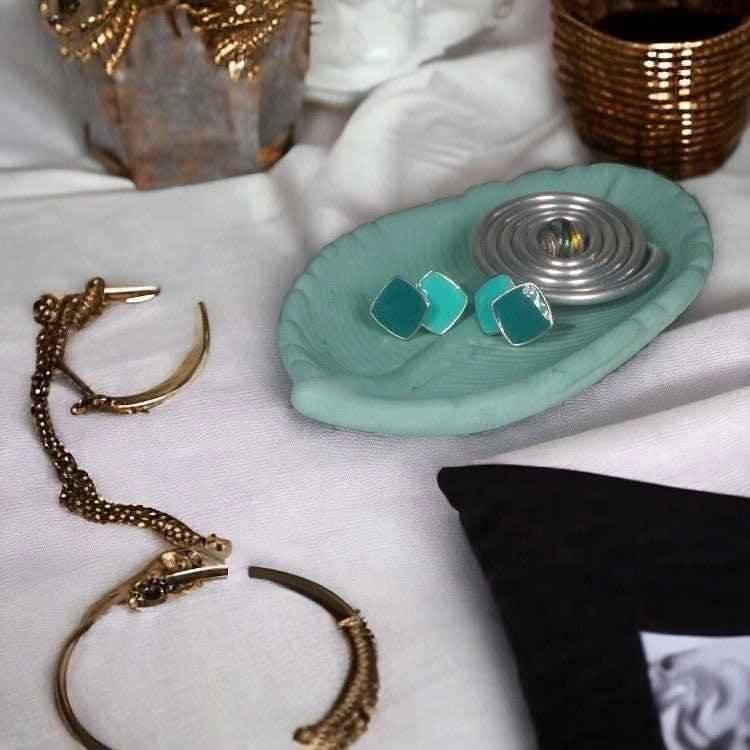
Late summer decor remains bright and light, but slowly gains more warmth and tranquil accents.
Weiterlesen →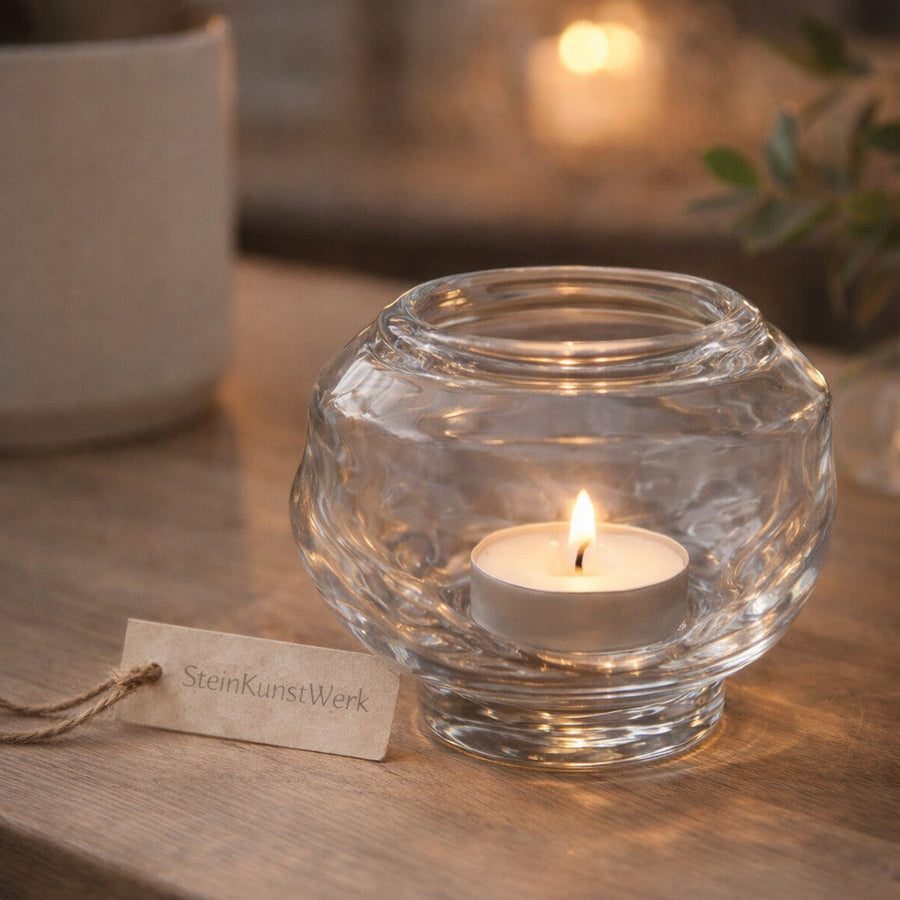
Japandi in late summer: bright tranquility, clean lines, and soft light as a transition towards autumn.
Weiterlesen →



Kommentare
Kurze Gedanken zählen. Wenn du magst: setz den ersten Ton – oder antworte direkt mit @Name:
Pro-Tipp: Wenn du jemandem antworten willst, starte mit @Name:
Mach aus dem Lesen ein Ritual.
Wenn dich der Beitrag gerade trifft: nimm die Stimmung mit – als Duft, Deko oder Geschenkidee.
Mach aus dem Lesen ein Ritual.
Wenn dich der Beitrag gerade trifft: nimm die Stimmung mit – als Duft, Deko oder Geschenkidee.
Passt der Beitrag zu dir?
Alle Kollektionen