

Japandi • Wohnen • klare Formen • natürliche Materialien
Japandi wirkt nicht deshalb ruhig, weil möglichst wenig im Raum steht. Entscheidend ist, dass Formen, Farben, Materialien und Funktionen zusammenpassen. Der Wohnstil verbindet skandinavisch geprägte Klarheit mit Gestaltungsprinzipien, die häufig mit japanischer Ästhetik verbunden werden: reduzierte Formen, natürliche Oberflächen, handwerkliche Wirkung und bewusst freie Fläche.
Dabei ist „Japandi“ keine traditionelle japanische Stilbezeichnung, sondern ein moderner Einrichtungsbegriff. Für mich ist genau das hilfreich: Man muss keine Kultur kopieren, sondern kann einige gute Gestaltungsprinzipien auf den eigenen Alltag übertragen.
Was ist Japandi?
Japandi beschreibt einen modernen Wohnstil, der zwei verwandte Ideen zusammenführt: funktionale, zurückhaltende Gestaltung und eine Vorliebe für natürliche, sichtbare Materialien. Das Ergebnis soll nicht steril wirken. Gute Japandi-Räume haben Struktur, Gebrauchsspuren, unterschiedliche Oberflächen und einzelne persönliche Dinge.
Typisch sind:
- klare, einfache Formen
- warme Natur- und Erdtöne
- Holz, Keramik, Stein, Glas und textile Strukturen
- wenige, bewusst ausgewählte Wohnobjekte
- freie Flächen zwischen den Dingen
- funktionale Gegenstände, die gleichzeitig dekorativ wirken
- eine Mischung aus ruhiger Ordnung und handwerklicher Unregelmäßigkeit
Wer zuerst prüfen möchte, welche Objekte überhaupt zusammenpassen, findet im Ratgeber Deko bewusst auswählen: 6 Regeln für ruhige Räume eine gute Grundlage.
Die richtige Japandi-Farbpalette
Japandi lebt selten von starken Kontrasten über große Flächen. Die Basis bilden meist gebrochene, natürliche Töne. Weiß darf warm sein, Beige darf unterschiedliche Nuancen haben, Grau kann steinig statt kühl wirken.
Geeignete Grundfarben
- Creme und gebrochenes Weiß
- Sand und Beige
- Taupe und warmes Grau
- helle bis mittlere Holztöne
- gedämpftes Braun
Akzente
Dunkles Anthrazit, Schwarz, tiefes Blau oder ein gedämpftes Grün funktionieren gut, wenn sie sparsam eingesetzt werden. Ein dunkles Pflanzgefäß, eine einzelne Vase oder eine grau-schwarze Tasse kann reichen, um einer hellen Fläche Halt zu geben.
Statt fünf kleine Akzentfarben im Raum zu verteilen, würde ich lieber eine wiederholen. Eine dunkle Linie im Pflanzgefäß kann beispielsweise in einer Tasse oder einem Keramikobjekt wieder auftauchen.
Materialien: lieber wenige, dafür sichtbar
Material ist im Japandi-Stil wichtiger als Dekormuster. Eine matte Keramikoberfläche, die Maserung von Holz oder eine strukturierte Vase trägt mehr zur Wirkung bei als zusätzliche Ornamente.
Eine einfache Kombination kann aus drei Ebenen bestehen:
- Holz als warme Grundstruktur.
- Keramik oder Stein als ruhiger, handwerklicher Gegenpol.
- Textil, Glas oder Pflanzen als weicher beziehungsweise lebendiger Akzent.
Zu viele unterschiedliche Oberflächen machen einen Raum trotz neutraler Farben unruhig. Hochglanz, Chrom, drei Holzarten, Kunststoff und stark gemusterte Textilien gleichzeitig sind deshalb meist schwieriger zu verbinden.
Japandi-Deko: freie Fläche gehört zur Gestaltung
Die wichtigste Regel ist überraschend unspektakulär: Nicht jede freie Fläche braucht ein Objekt. Im Gegenteil. Abstand lässt Formen besser wirken.
Auf einem Sideboard genügt häufig eine kleine Gruppe aus drei Elementen:
- eine höhere Vase oder Pflanze
- ein niedrigeres Objekt wie Schale oder Zen-Steine
- ein funktionaler Gegenstand, zum Beispiel eine Tasse auf einem kleinen Tablett
Danach bleibt Fläche frei. Genau diese Leere verhindert, dass aus ruhiger Einrichtung ein Produktregal wird.
Wer mit Zen-Steinen oder kleinen meditativen Arrangements arbeiten möchte, sollte sie nicht wahllos verteilen. Der Beitrag Mini-Zen-Garten planen: Platz, Größe & Material zeigt, wie solche Elemente sinnvoll platziert werden.
Japandi im Wohnzimmer
Im Wohnzimmer sollte zuerst die große Struktur stimmen: Sofa, Tisch, Leuchten, Teppich und freie Wege. Dekoration kommt danach.
Ein einfacher Aufbau
- Eine ruhige Grundfarbe bestimmen.
- Ein bis zwei Hauptmaterialien festlegen.
- Große Flächen nicht vollständig zustellen.
- Wohnobjekte in kleinen Gruppen statt einzeln über den ganzen Raum verteilen.
- Persönliche Dinge sichtbar lassen – Japandi muss nicht anonym sein.
Eine Vase mit klarer Silhouette, ein geometrisches Pflanzgefäß und eine kleine Keramikgruppe können stärker wirken als zehn ähnliche Dekoteile.
Japandi im Essbereich und in der Coffee Corner
Hier lässt sich der Stil besonders gut mit Funktion verbinden. Tassen, Schalen und kleine Tabletts werden ohnehin benutzt; sie müssen nicht zusätzlich als reine Dekoration gekauft werden.
Für eine ruhige Coffee Corner reichen beispielsweise:
- zwei bis vier tatsächlich genutzte Tassen
- eine kleine Pflanze oder Vase
- ein Tablett oder eine feste Ablagezone
- freie Arbeitsfläche daneben
Bei Kaffeekeramik würde ich nicht jede Form und jede Farbe gleichzeitig zeigen. Eine kleine Auswahl aus Beige, Grau-Schwarz oder einem gezielten Farbakzent wirkt geordneter.
Direkt zu passenden Sets: KUMO Espresso 2er/4er · KUMO Cappuccino 2er/4er · KUMO Flat White 2er/4er.
Matcha, OCHA und Tee als funktionaler Teil der Wohnwelt
Ein Tee- oder Matcha-Ritual passt deshalb so gut zu Japandi, weil der Gegenstand eine Aufgabe hat. Eine handgemachte Schale oder Teetasse steht nicht nur herum, sondern wird benutzt. Die kleine Unregelmäßigkeit von Keramik kann dabei interessanter wirken als absolute industrielle Perfektion.
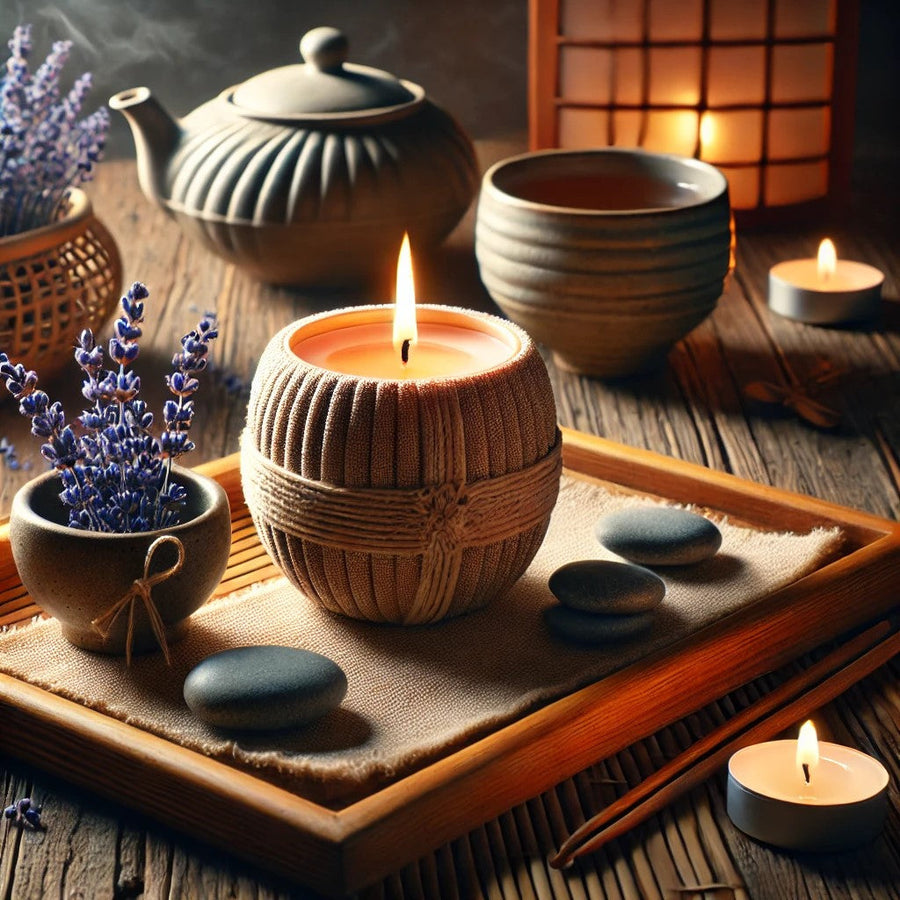
Ein ruhiger Teebereich kann aus einer Schale oder Tasse, einem kleinen Tablett und einem einzigen Wohnakzent bestehen. Wer die Nutzung stärker in den Vordergrund stellen möchte, kann das mit dem Genmaicha-Ritual: Zubereitung, Geschmack & ruhige Pause verbinden.
Für zwei oder vier Teetassen führt das OCHA Teetassen-Bundle direkt zur Set-Auswahl.
Der Tee bleibt dabei Hauptdarsteller. Der Wohnstil ist der Rahmen, nicht umgekehrt.
Pflanzen im Japandi-Stil
Pflanzen bringen lebendige Formen in eine ansonsten stark reduzierte Umgebung. Auch hier gilt: nicht möglichst viele Arten nebeneinanderstellen. Ein einzelnes gut proportioniertes Pflanzgefäß kann eine stärkere Wirkung haben als eine ganze Reihe kleiner Töpfe.
Gut funktionieren:
- klare oder geometrische Gefäße
- matte Oberflächen
- Natur, Schwarz oder zurückhaltende Erdtöne
- Pflanzen mit klarer Silhouette
Das Pflanzgefäß sollte zur Größe der Pflanze und des Möbelstücks passen. Ein winziger Topf auf einem langen Sideboard wirkt ebenso verloren wie ein großes Gefäß auf einer schmalen Fensterbank.
Vasen und Keramik richtig kombinieren
Vasen und Tassen müssen nicht aus derselben Serie stammen. Interessanter ist eine gemeinsame Verbindung über Farbe, Oberfläche oder Form.
Beispiele:
- runde beige Tasse + organisch geformte helle Vase
- grau-schwarze Keramik + schwarzes geometrisches Pflanzgefäß
- gelbe Matcha-Schale + ein einziger warmer Farbakzent im Wohnobjekt
Das Ziel ist Verwandtschaft, nicht Gleichförmigkeit.
Die häufigsten Japandi-Fehler
1. Beige mit Japandi verwechseln
Eine komplett beigefarbene Wohnung ist nicht automatisch Japandi. Ohne Materialkontraste und unterschiedliche Formen kann sie schnell flach wirken.
2. Zu viele kleine Dekoartikel
Viele kleine Objekte erzeugen optische Unruhe – selbst wenn jedes einzelne minimalistisch aussieht.
3. Nur auf Optik kaufen
Japandi funktioniert besonders gut, wenn Gegenstände benutzt werden. Tassen, Schalen, Pflanzengefäße und Vasen haben eine klare Aufgabe.
4. Kulturelle Symbole als Abkürzung verwenden
Ein japanisch wirkendes Schriftzeichen, Buddha-Motiv oder beliebiges „Zen“-Symbol macht noch keinen durchdachten Raum. Religiöse oder kulturelle Motive sollten bewusst und respektvoll eingesetzt werden.
5. Alles neu kaufen
Die bessere Reihenfolge lautet: reduzieren, umstellen, vorhandene Dinge neu gruppieren und erst danach gezielt ergänzen.
Japandi einrichten: meine Reihenfolge für den Einkauf
Wer neu beginnt, muss nicht mit Deko starten. Ich würde in dieser Reihenfolge vorgehen:
- Funktion: Was wird wirklich gebraucht?
- Fläche: Wo soll das Objekt stehen?
- Maß: Welche Größe passt?
- Material: Welche vorhandenen Materialien soll es ergänzen?
- Farbe: Grundfarbe oder Akzent?
- Erst dann Produkt auswählen.
So wird aus „Ich brauche noch Japandi-Deko“ eine konkrete Entscheidung wie „Ich suche eine matte Vase in mittlerer Höhe für das helle Sideboard“.
Eine kleine Japandi-Wohnwelt aus wenigen Teilen
Für einen Einstieg reichen wenige gut kombinierbare Kategorien:
- Zen-Steine oder ein anderes niedriges Wohnobjekt
- ein geometrisches Pflanzgefäß
- eine ruhige Vase
- eine Matcha-Schale oder OCHA-Teetasse
- bei einer Coffee Corner eine einzelne passende KUMO-Tasse
Unsere aktuelle Auswahl bündelt diese Reihenfolge in der Collection Japandi Sommer – ruhige Wohnwelten. Dort stehen bewusst zuerst Wohnobjekte, danach Matcha und OCHA und anschließend ausgewählte KUMO-Keramik.
Japandi durch die Jahreszeiten
Der Grundstil kann ganzjährig gleich bleiben. Saison entsteht über wenige austauschbare Akzente. Im Frühling kann eine Vase mit Zweigen genügen, im Sommer ein leichteres Textil, im Herbst ein wärmerer Keramikton und im Winter ein zusätzlicher Lichtpunkt.
Wie sich solche Veränderungen ohne komplette Neudekoration umsetzen lassen, zeigt Saisonale Inspiration: Warum Deko und Duft im Jahreskreis wirken.
FAQ: Japandi wohnen
Welche Farben passen zu Japandi?
Warme Weißtöne, Beige, Sand, Taupe, Naturholz und warmes Grau bilden eine gute Basis. Schwarz, Anthrazit, Blau oder gedämpftes Grün können sparsame Akzente setzen.
Ist Japandi nur Beige?
Nein. Material, Proportion, freie Fläche und Funktion sind wichtiger als eine ausschließlich beige Farbpalette.
Welche Materialien passen zum Japandi-Stil?
Holz, Keramik, Stein, Glas, Leinen und andere natürlich wirkende Materialien lassen sich gut kombinieren. Entscheidend ist eine begrenzte Auswahl statt möglichst vieler Oberflächen.
Wie viel Deko braucht ein Japandi-Raum?
Es gibt keine feste Zahl. Kleine Gruppen mit zwei bis drei Objekten und ausreichend freier Fläche funktionieren häufig besser als viele Einzelstücke.
Passen Pflanzen zu Japandi?
Ja. Einzelne Pflanzen mit klarer Silhouette und zurückhaltenden Gefäßen können die ruhige Gestaltung ergänzen.
Passt handgemachte Keramik zu Japandi?
Sehr gut, wenn Form, Farbe und Nutzung zum Raum passen. Kleine Unregelmäßigkeiten können die Materialwirkung betonen und einen sterilen Eindruck vermeiden.
Wie starte ich mit Japandi, ohne alles neu zu kaufen?
Zuerst vorhandene Flächen reduzieren, Dinge nach Material und Farbe gruppieren und ungenutzte Objekte entfernen. Danach nur dort ergänzen, wo tatsächlich eine funktionale oder gestalterische Lücke bleibt.
Kommentare
Kurze Gedanken zählen. Wenn du magst: setz den ersten Ton – oder antworte direkt mit @Name:
Pro-Tipp: Wenn du jemandem antworten willst, starte mit @Name:
Mach aus dem Lesen ein Ritual.
Wenn dich der Beitrag gerade trifft: nimm die Stimmung mit – als Duft, Deko oder Geschenkidee.
Mach aus dem Lesen ein Ritual.
Wenn dich der Beitrag gerade trifft: nimm die Stimmung mit – als Duft, Deko oder Geschenkidee.
Passt der Beitrag zu dir?
Zur Kollektion