04.10.2026
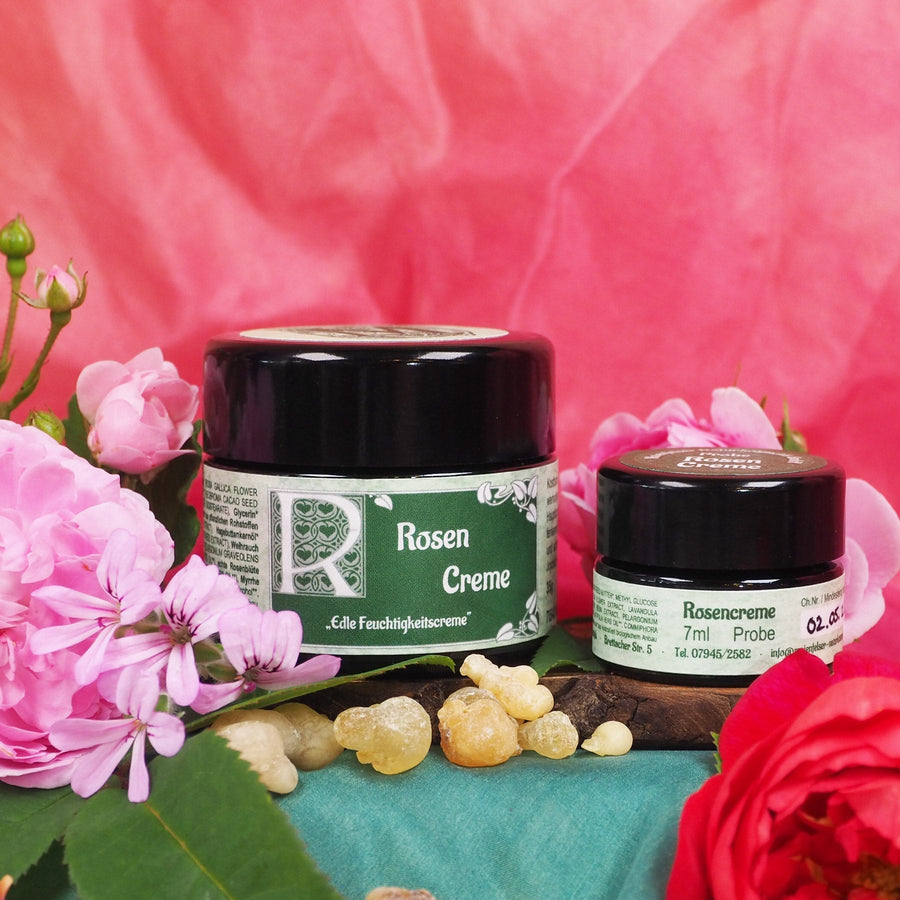
Creams and Balms in Autumn: Choose Rich Care by Skin Feel
Choose creams and balms in autumn according to skin feel, apply sparingly and avoid product overload.
Weiterlesen →

There are summer days when you are not merely tired by evening. You are completely spent.
The house is still warm, your shirt sticks to you, the to-do list keeps running in your head, and your phone alternates between heat warnings, thunderstorm alerts and reports of heavy rain. What you really want is some quiet. Instead, you check the weather app for the fifth time and wonder what else still needs to be done today.
I know that thought well: the day was difficult, so at least the evening should be put to good use.
But why?
After intense heat, physical work or an unsettled stormy day, the evening can be simpler. You do not have to be athletic, productive, sociable and perfectly organised. Sometimes it is enough to end the day deliberately.
In the Netherlands, the term “hittekracht” is being discussed more often. It describes more than the measured temperature. Humidity, wind, direct sun and personal physical activity all influence how demanding a hot day feels.
That seems entirely logical to me.
Thirty degrees in the shade is not the same as thirty degrees in a warehouse, on a bicycle, on a building site or in a top-floor flat. Someone who lifts, carries, stands all day, looks after children or moves between overheated rooms experiences the same weather very differently.
Yet we often treat these days like ordinary working days. In the evening, we wonder why concentration has disappeared and even small tasks suddenly feel too much.
For me, a healthy lifestyle does not mean forcing the same programme onto every day. Healthy living also means recognising when the body has already done enough. The English Journal Hub for self-care and calm at home offers further ideas—not as another task, but as permission to lower the demands.
Many evening routines read like a second working day.
Cook something healthy. Exercise. Tidy the house. Answer messages. Prepare tomorrow. Then meditate, journal and, of course, sleep on schedule.
Honestly, after a hot and physically demanding day, I do not want a routine that requires a checklist.
Dinner may be simple. The laundry can wait. Missing a workout is not a personal failure.
Healthy eating does not have to mean an elaborate meal every night. Bread, salad, fruit or another straightforward option can be exactly right when it avoids standing in an already warm kitchen for a long time.
Not every evening needs to be optimised. Some evenings simply need to become easier.
If thunderstorms or severe weather are expected, I naturally check the official alerts. Closing windows, bringing loose items in from the balcony and reconsidering planned journeys is sensible.
What is less useful is refreshing the weather app all evening.
One alert leads to another. Then come social-media clips of hail, flooded roads and dramatic skies. Even when nothing has happened where you are, your mind remains in alarm mode.
My suggestion is simple: check the official warning once. Do what is necessary. Leave important alerts enabled. Then place the phone in a fixed spot.
You remain informed without spending the entire evening inside an endless loop of radar maps and worst-case scenarios.
When people hear “evening ritual”, some immediately imagine incense, a meditation cushion and a forty-five-minute routine.
That can be pleasant. It is not compulsory.
My evening ritual after a hot day is much simpler: drink something, take a lukewarm shower, put on fresh clothes, switch off the bright light and do not start anything new.
The important part is not the equipment. It is the message: that is enough for today.
Someone who has stood or worked physically all day may sit or lie down for a few minutes without simultaneously using the phone.
It is not spectacular. That is precisely why it works.
A thunderstorm can be fascinating. It can also create unease, particularly when hail, torrential rain or strong gusts have been forecast.
Safety comes first. Official warnings should be taken seriously, and windows, doors and outdoor areas should be prepared accordingly.
Once that is done, there is no need to check the phone after every rumble of thunder.
Find a safe, calm place. Drink something, read or listen to music. On a stormy evening, the scented candle may be better left in the cupboard while a small lamp does the job.
A ritual does not need to remain identical. It can adapt to the weather.
On a cooler rainy evening, a quiet tea moment may fit. After a very hot day, water is enough. In winter I may enjoy a warm fragrance; on a humid summer evening, fresh air and a light soap often feel far more appropriate.
Warm nights are difficult. The rooms barely cool, the street remains noisy and you already know that the next day may be hot again.
Then comes the thought: I absolutely must sleep now.
That pressure rarely helps.
I make the goal smaller. Not to fall asleep immediately—just to end the day first.
The phone stays out of reach. Anything I must remember for tomorrow is written down in a few words. After that, nothing more needs to be solved.
I may read a few pages. I may sit by an open window if the weather allows. I may do nothing at all.
Rest is not wasted merely because sleep has not arrived yet.
We often talk about becoming more active, organised and healthy. Movement, good food and useful habits all matter.
But a healthy lifestyle is not defined only by what we add.
It is also defined by what we consciously leave undone.
After strong heat exposure, nobody has to stick to a workout plan. After heavy physical work, you do not owe the evening any more productivity. When severe weather arrives, plans may change.
That is neither laziness nor a lack of discipline. It is a realistic response to the load the body has already carried.
For anyone who prefers a clear sequence:
First, check the official weather warnings and secure whatever needs attention.
Then place the phone in a fixed spot. Important alerts can remain active.
Drink water and eat something that requires little effort.
Take a lukewarm shower, put on fresh clothes and dim the lights.
After that, do not begin another task that supposedly must be finished today.
More straightforward ideas are collected in the Journal Hub for self-care, scent rituals and calm decor. They are not another compulsory programme, but small supports for days when less really is more.
For me, the most important step is not an object or a special technique. It is the sentence:
That was enough for today.
After heat, physical strain and unsettled weather, those words can provide more relief than any perfectly planned evening routine.
Choose creams and balms in autumn according to skin feel, apply sparingly and avoid product overload.
Weiterlesen →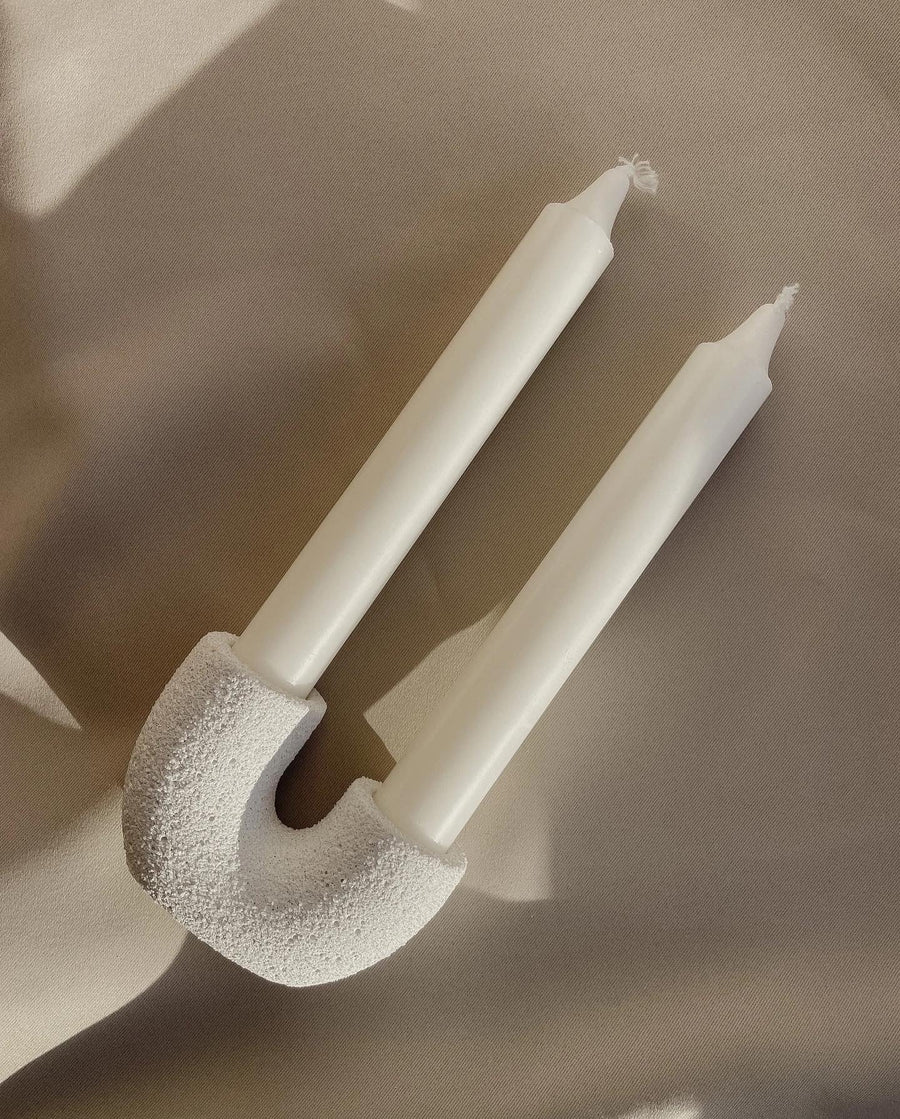
Four steps to simplify care, home fragrance, decor and light at the beginning of October.
Weiterlesen →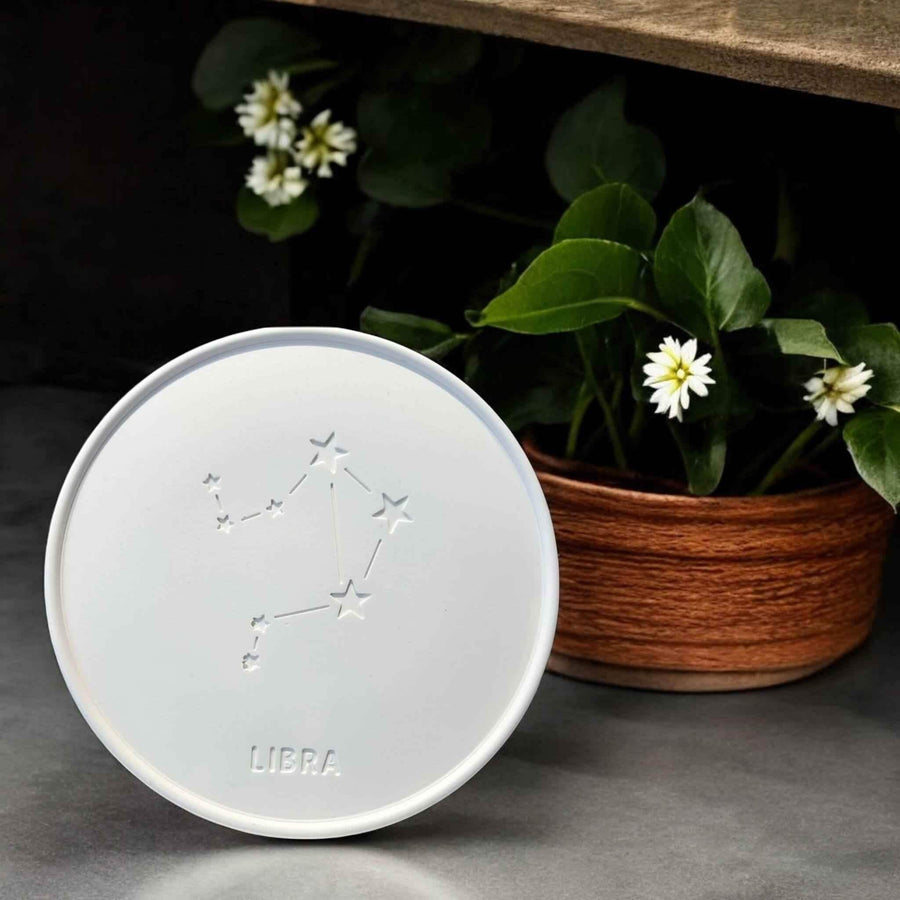
Combine Libra, Scorpio and Sagittarius themes with care, scent and decor for personal autumn gifts.
Weiterlesen →
Kommentare
Kurze Gedanken zählen. Wenn du magst: setz den ersten Ton – oder antworte direkt mit @Name:
Pro-Tipp: Wenn du jemandem antworten willst, starte mit @Name:
Mach aus dem Lesen ein Ritual.
Wenn dich der Beitrag gerade trifft: nimm die Stimmung mit – als Duft, Deko oder Geschenkidee.
Mach aus dem Lesen ein Ritual.
Wenn dich der Beitrag gerade trifft: nimm die Stimmung mit – als Duft, Deko oder Geschenkidee.
Passt der Beitrag zu dir?
Zur Kollektion