

A ritual doesn't have to solve anything
Grief does not follow a fixed course. A farewell ritual can mark a moment, give memories a place, or simply help to consciously pause for a few minutes. It does not have to promise any effect, nor does it have to suit everyone.
The following seven ideas are therefore not a guide to "grieving correctly", but possibilities. You can choose one of them, change it, or forgo it entirely.
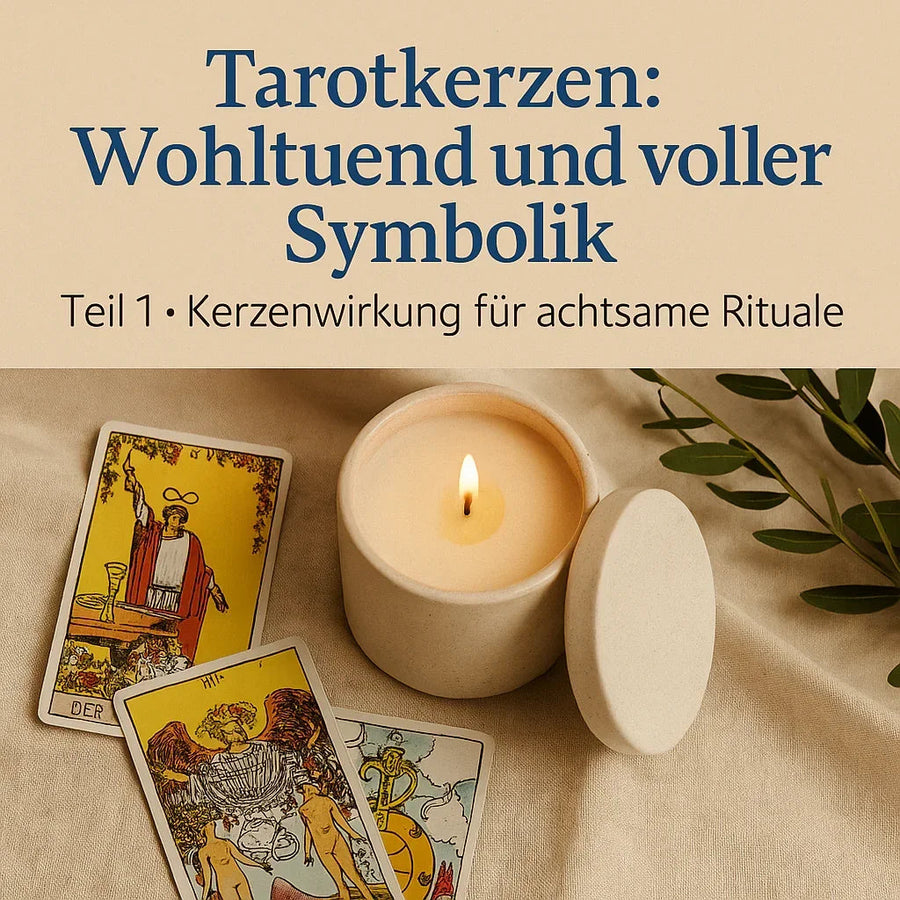
1. Lighting a candle for a specific moment
A candle can mark a beginning and an end: in the morning, in the evening, on a birthday, or on an anniversary. The ritual does not have to last longer than a few minutes. If you wish, you can say a name, think of a shared situation, or simply sit in silence.
The only thing that matters is safety: place candles on a heat-resistant surface, keep them away from flammable materials, and never leave open flames unattended.

2. Writing a letter that does not have to be sent
Sometimes there are sentences for which there is no longer a recipient. A letter can contain memories, gratitude, anger, unanswered questions, or completely everyday things. It does not have to be shown to anyone.
Afterwards, the letter can be kept, placed in a memory box, or—if it feels personally right and is safely possible—deliberately put away. What matters is not what "one" does with it.
3. Visiting a familiar path or place
A walk to a place you both knew can be a quiet ritual. This can be a park, a particular tree, a bench, a café, or a section of your daily route. A cemetery is just one possibility among many.
Local rules and special consideration apply when visiting cemeteries. More information on this can be found in the post Cemetery and Remembrance: Respectful Rituals of Memory.
4. Creating a small collection of memories
Photos, a recipe, a handwritten note, a song title, or a small object can bundle memories. This requires neither a large box nor perfect presentation. Some people want to have everything visible, while others prefer to keep such things private.
Digital memories can also be included: a playlist, recorded stories, or a folder of images.
5. Telling a story together
A farewell ritual does not have to take place alone. At a gathering, each person can tell a specific memory: something typical, a little quirk, a sentence, or a situation that can still make you smile today.
This is not a compulsion to have positive memories. Relationships can have been contradictory. Silence can also be part of such a gathering.
6. Choosing a recurring moment of remembrance
Not everyone wants to observe anniversaries. Those who wish to can choose a fixed or flexible moment: a birthday, the first Sunday of a month, a particular walk during the year, or cooking a familiar dish.
A recurring ritual is not an obligation. If it no longer feels right at some point, it can be changed or ended.
If you would like to consciously design an anniversary or another personal day of remembrance, you will find a separate, more detailed framework in the post Days of Remembrance and Anniversaries: Personal Memorial Rituals.
7. Using scent or incense as a conscious sign of transition
Scents can significantly change a room and thus mark a beginning or end. This is not a therapeutic effect or a promise that you will be able to "let go". Those who already work with incense can consciously use a familiar scent for a moment of remembrance.
As a possible accompaniment for people who already like such rituals, there is the Abschiedslicht Incense Blend. It is an option, not a necessary part of a farewell ritual.
Always ventilate well when burning incense, use fireproof containers, and take children, animals, smoke detectors, and people with respiratory or scent sensitivities into account.
A ritual can remain small
Some rituals last a minute, others accompany people for years. There is no minimum duration and no order. A ritual is not a failure if grief, restlessness, or contradictions remain afterwards.
Remembrance does not need a perfect course. A small, self-chosen moment can be enough.
When a pet is missing
Grief over a dog, cat, or other pet can also greatly change everyday life. There is a separate post with pet-related ideas for this: Pet Loss: 7 Farewell Rituals for Dogs, Cats, and Pets.
If you are looking more for a keepsake
Those who are not looking for a ritual, but for a discreet gift or remembrance option, will find separate guidance in the HE guide Grief Gifts: What to Give When Someone Is Grieving or Has Lost a Loved One?. It deliberately addresses the question of when a gift is appropriate at all.
When grief becomes almost unbearable to bear long-term
Rituals do not replace professional support. If grief or a crisis makes everyday life almost impossible long-term, or if acute thoughts of crisis occur, a family doctor, psychotherapy services, grief counseling, or local crisis services can be suitable points of contact.


Kommentare
Kurze Gedanken zählen. Wenn du magst: setz den ersten Ton – oder antworte direkt mit @Name:
Pro-Tipp: Wenn du jemandem antworten willst, starte mit @Name:
Mach aus dem Lesen ein Ritual.
Wenn dich der Beitrag gerade trifft: nimm die Stimmung mit – als Duft, Deko oder Geschenkidee.
Mach aus dem Lesen ein Ritual.
Wenn dich der Beitrag gerade trifft: nimm die Stimmung mit – als Duft, Deko oder Geschenkidee.
Passt der Beitrag zu dir?
Zur Kollektion