Designer ceramics – craftsmanship with style, history and character
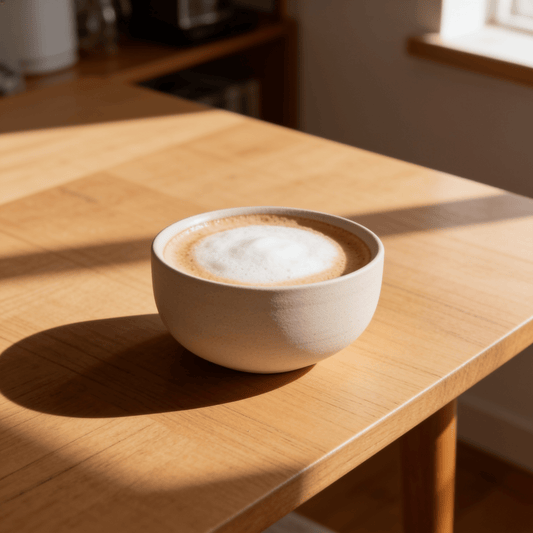
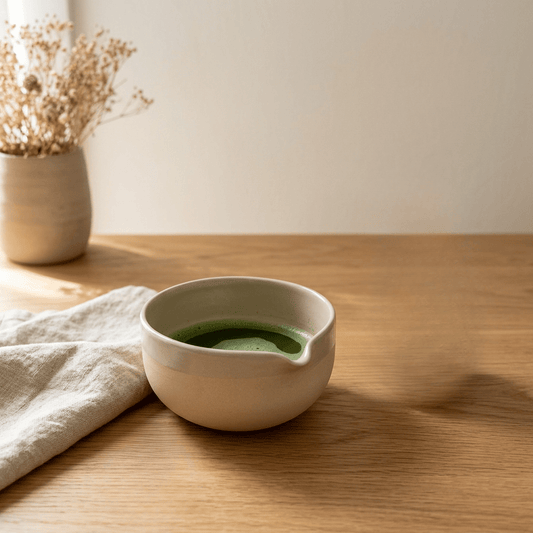
Designer ceramics represent a living experience that combines quality, material awareness, and timeless design. Ceramics have accompanied humankind for millennia and are more relevant today than ever. From functional everyday objects to modern art pieces, ceramics create a connection between tradition and contemporary design. Every clay, every glaze, and every surface tells its own story, shaped by craftsmanship, fire, and form. This results in home furnishings that are not only decorative but also bring a special atmosphere to a room.
The term ceramics encompasses all objects made from inorganic, non-metallic materials that are hardened through firing. More background information can be found in the article on ceramics . Cultures worldwide recognized the benefits of this material early on. Today, ceramic design is experiencing a renaissance – not only in art and architecture, but especially in interior design. It has a calming, structured, and grounding effect and blends with understated elegance into a wide variety of living styles. Beautiful examples of interior design can be found in collections of home accessories .
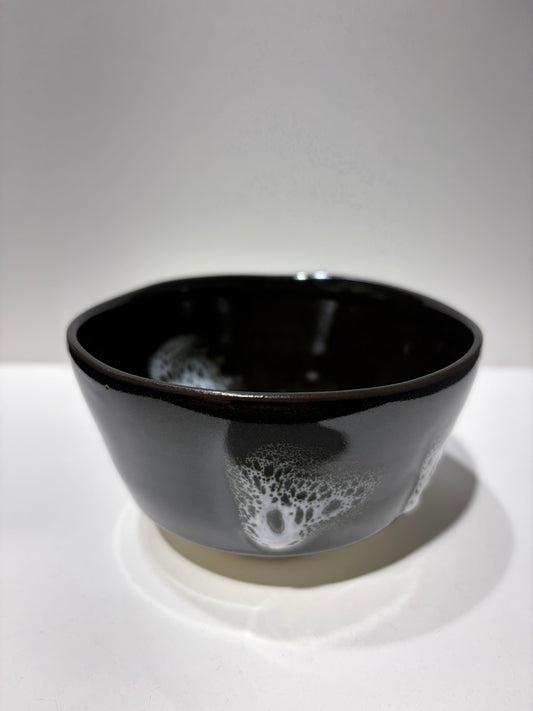
Many designer ceramics are produced in small batches and are shaped, glazed, or cast by hand. Instead of industrial perfection, individual characteristics take center stage: subtle color variations, gentle undulations in the form, delicate glaze gradients, or visible traces of the craftsmanship. It is precisely these details that make each piece unique. Those who consciously choose ceramics opt for enduring quality and objects with soul – far removed from fleeting trends. Ceramics integrate beautifully into modern interior design concepts and can be combined in a variety of ways with decorative items and accessories, such as those found in numerous home collections .
Shapes, textures and stylistic worlds – ceramics as identity in space
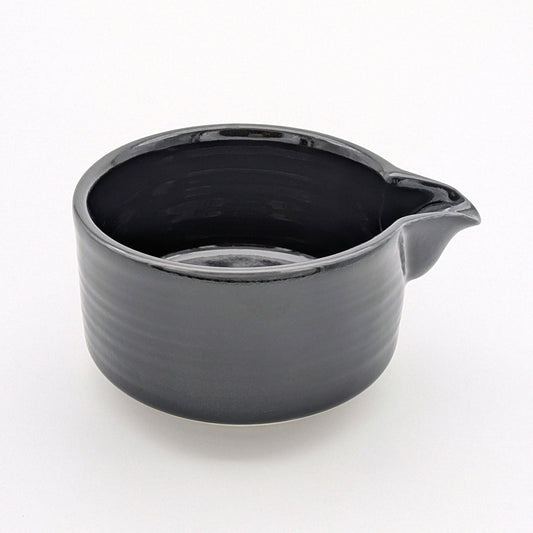
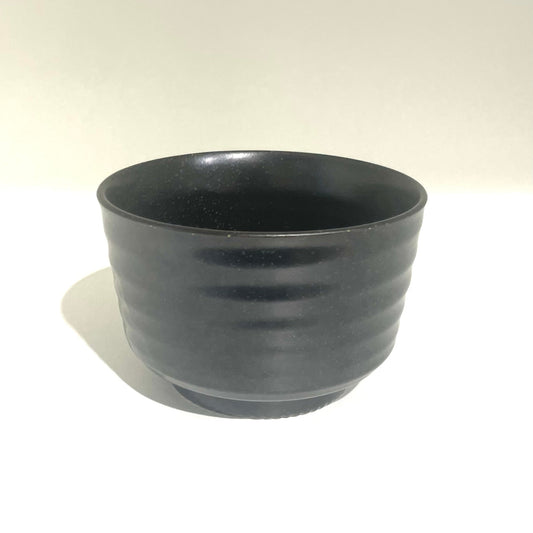
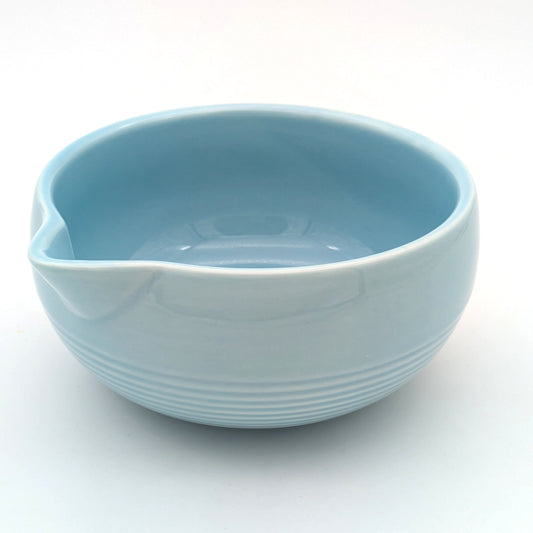
The variety of designer ceramics is enormous. From softly flowing organic forms to clear, geometrically defined silhouettes, the spectrum of modern ceramic design is vast. Matte, rough surfaces appear natural and understated, while glossy glazes create reflections that make light dance in the room. Both have their own unique appeal. Harmonious colors such as white, beige, sand, taupe, or terracotta create warmth, while gray, black, and sage green provide a modern sense of calm.
Ceramic objects can appear as miniature sculptures, serve as delicate shelves for small items, or function purely as decorative elements. Depending on their placement, they create structure: on sideboards, bathroom shelves, desks, consoles, or as a serene centerpiece on the dining table. In open-plan spaces, they provide orientation, draw the eye, and create a sense of centering – for example, as a focal point in the living room or hallway. Inspiration can be found in the Ritual & Space section of our blog, which explores design, atmosphere, and conscious living.
Things get really interesting when ceramics are arranged as a set. Different shapes, but a harmonious color palette, create a curated overall look. Tone-on-tone styling exudes calm and mindfulness, while high-contrast combinations create excitement and visual impact. This creative freedom is a major reason why ceramics are so popular – especially when combined with natural home accessories from different collections .
Ceramics on the wall – art objects that bring rooms to life
Designer ceramics are no longer confined to shelves or tables. Three-dimensional wall objects create depth and act like small sculptures on the wall. They don't replace traditional pictures, but rather complement them. An arrangement of ceramic objects can emphasize areas in a room or create a new visual focal point. Particularly striking interior designs emerge when combined with natural materials, plants, dried flowers, and textures such as linen or wood.
Through reliefs, textures, and surface refractions, ceramics interact with light and shadow. This makes a room feel more dynamic, vibrant, and distinctive. Modern interior design increasingly emphasizes materials that can be touched, arranged, and experienced. Designer ceramics fulfill precisely this function: tangible, sensual, and full of character.
Material, glazes & properties – why ceramics are so special
The core material of many ceramic objects is clay, a naturally occurring raw material. After shaping, it is dried and then fired – a process that gives it strength. Further information can be found in the article about clay as a material . Depending on the firing temperature, ceramics, stoneware, or porcelain with different properties are produced. Particularly popular in the design field are finely glazed surfaces for a soft light reflection or matte, mineral looks for a natural appearance.
Ceramics are heat-resistant, odorless, durable, and easy to clean. Many pieces are suitable as a base for candles, incense, or decorative arrangements. Those who appreciate ritual culture and interior design will find inspiration in the Ritual & Space section. With its natural feel, ceramic conveys tranquility, value, and quality, fostering a mindful living environment.
Sustainability & mindful living
Appreciation for handcrafted items is growing. Conscious consumption means: less, but better. Ceramics fit perfectly into this lifestyle. They are durable, can be used for years or even decades, and remain relevant regardless of trends. Many workshops focus on resource-conserving processes and use materials with respect for the environment and material cycles – short supply chains, reduced emissions, and responsible design.
Packaging concepts are also evolving towards sustainability. Reusable materials instead of plastic, packaging made from recycled raw materials, and durable storage solutions promote a conscious product experience. Those who consciously choose ceramics are investing in an object that will last – a counterpoint to short-lived mass production.
Ceramics in the modern home – inspiration for your interior
Ceramics can be integrated into almost any interior design style . Minimalist spaces benefit from clean, calming forms. Scandinavian interiors thrive on the interplay of natural materials, light colors, and warm textures. In urban loft interiors, dark or textured ceramics create accents that generate depth and character. Japanese design—characterized by wabi-sabi, imperfection, and tranquility—also finds an ideal expression in ceramics, as you can read in the article about wabi-sabi .
Placement ideas:
- on sideboards as a calm focal point
- as a small arrangement with natural materials
- in the bathroom for storing soaps or jewelry
- Working from home for structured organization
- as a wall object with sculptural expression
Ceramics offer more than just decoration; they evoke a feeling – a touch of calm in everyday life, an anchor in the room, a personal statement. With each piece, the living space grows organically and develops its own unique character. Find more inspiration for rituals, decorating concepts, and spatial effects in the Ritual & Space section of the magazine.
Conclusion – Ceramics as an expression of style and culture
Designer ceramics unite tradition, craftsmanship, aesthetics, and sustainability. They create spaces with soul, carry stories within them, and accompany everyday life with a special value. Each piece is a small work of art – precise, timeless, and individual. Those who consciously choose ceramics bring not just decoration into their homes, but a piece of culture and a part of timeless interior design aesthetics. Discover diverse design possibilities and complementary pieces in our collections .
Ceramics are more than just a material. They represent attitude, character, and a statement for conscious living.