
13.11.2026
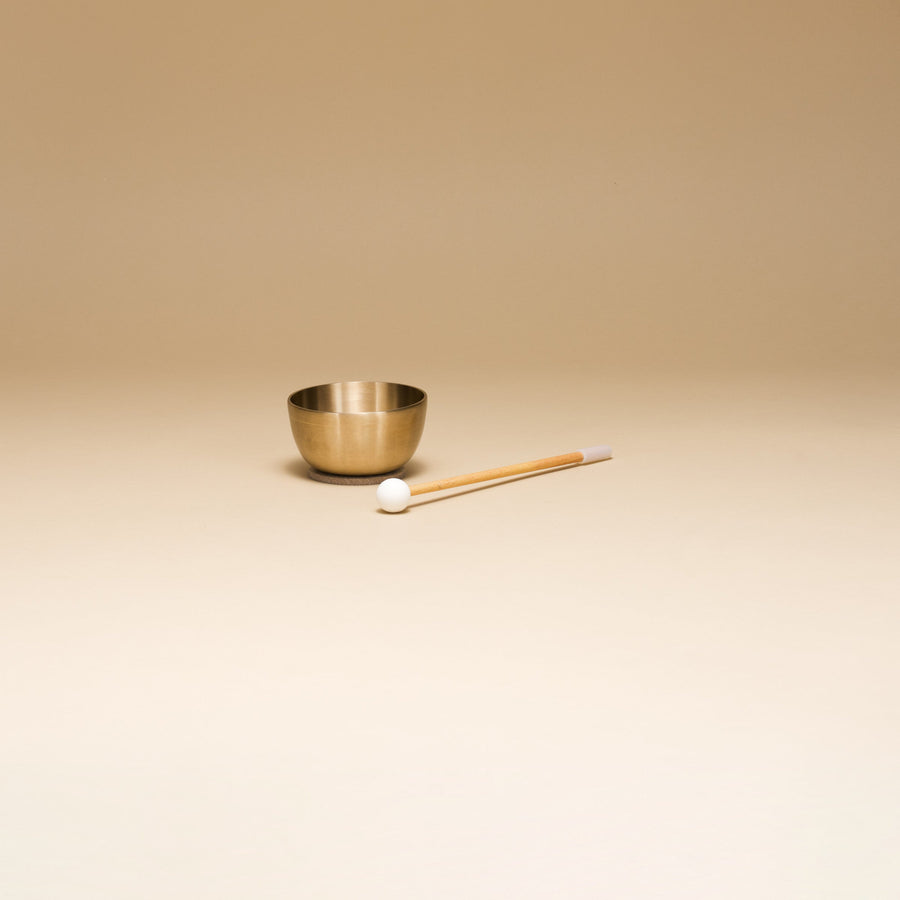
Morning ritual with Tiny Bowl: 7 minutes without your phone
A seven-minute morning ritual with a Tiny Bowl, one small question, and a mindful start to the day—without your phone.
Weiterlesen →
Sometimes a scent is all it takes, and suddenly something is back.
Sunscreen can bring back a particular holiday. Coffee, your parents' kitchen. Cinnamon, a Christmas evening. A perfume, someone you've barely thought about in years.
The fascinating thing about it is how instantly it happens. You don't have to consciously think: What does this remind me of? Often, the feeling is there first. The memory comes a few seconds later.
Perhaps that is exactly one reason why scents can play such a special role in a home. We decorate spaces with colors, furniture, light, and things we like. The scent of a room is easily overlooked.
Yet it is just as much a part of the atmosphere.
Our sense of smell is closely linked to areas of the brain involved in processing emotions and memories.
When we inhale, scent molecules reach the olfactory mucosa. There, specialized sensory cells respond to different molecules and pass the information on to the olfactory bulb.
The connections to brain regions such as the amygdala and hippocampus, which play an important role in emotions and memory, are particularly interesting.
Scent researcher Rachel Herz has been studying so-called scent-induced autobiographical memories for many years. These are personal memories triggered by a particular scent.
That is why a scent can sometimes bring back a situation that had long since receded into the background.
Not every scent automatically evokes a particularly intense memory. A photo, a song, or a conversation can trigger just as much. However, the close connection between scent, memory, and emotion is well-established scientifically.
Scents are often associated with fixed effects.
Lavender calms.
Lemon invigorates.
Vanilla provides comfort.
It's not quite that simple.
Imagine two people smelling the same vanilla bean.
One might immediately think of their grandmother's kitchen and Sunday afternoon cake. For them, vanilla can therefore be warm, familiar, and pleasant.
For someone else, vanilla is simply sweet.
And a third person might not like the scent at all.
Our brain constantly associates scents with people, situations, and experiences. Over time, this gives a scent a personal meaning.
Negative experiences can also stick. A scent that was frequently perceived during an unpleasant situation can later trigger aversion, even if it was liked before.
That is why I consider rigid lists following the pattern "Scent X produces feeling Y" to be of little help.
The more interesting question is:
What does this scent mean to me?
When we talk about atmosphere, we usually think of the visible first.
Candlelight.
A bowl on the table.
Stones or wood.
Textiles.
Plants.
Colors.
But a room is not just made up of what we see.
The scent of coffee in the morning is just as much a part of it as the smell of a freshly aired bedroom, a candle in the evening, or herbs in the kitchen.
Some of these scents arise by chance. Others can be used deliberately.
And that is exactly where scent becomes interesting to me.
Not as a supposed miracle cure, but as part of a room and a habit.
A particular scent can, for example, always appear when you take time to read. Or with the first tea in the evening. Perhaps also on Sunday morning, when it is still quiet.
When scent, situation, and repetition come together, something familiar can eventually emerge.
A little ritual.
If you want to consciously bring a scent into the room, you will find different directions for exactly such personal scent moments in our Room Scents & Diffusers.
Lavender is probably one of the best-known examples of how quickly scientific findings can become firm promises.
There are indeed studies on lavender, sleep, stress, and anxiety. A systematic review with meta-analysis examined eleven randomized studies involving a total of 628 adults. The results suggest that lavender can improve sleep quality.
At the same time, researchers point out the limitations of the existing studies.
That is an important difference.
In everyday life, "there is interesting evidence" quickly becomes "lavender helps with sleep disorders".
I wouldn't go that far.
Anyone who likes the smell of lavender and associates it with calm can wonderfully integrate it into an evening routine. In doing so, scent, expectation, habit, and situation can interact.
But a pleasant scent and a medical effect are two different things.
And perhaps a scent doesn't need a medical justification at all.
It is quite enough if we like it.
That is why I am less interested in the question:
Which scent should calm you?
I find this more exciting:
Which scent makes me calmer?
It could be lavender.
But it could just as easily be coffee, wood, rosemary, orange peel, or a particular tea.
Perhaps sunscreen reminds someone of a particularly happy summer. For that person, this scent can trigger far more positive feelings than an essential oil with "relaxation" on its label.
Personal memories simply cannot be squeezed into a general scent chart.
That is exactly what makes them interesting.
You can try this very simply.
Pick a scent you like. It doesn't have to be a special room fragrance.
Coffee works just as well.
First, simply smell it.
Probably your brain will initially only think: coffee.
Stay with it for another moment.
Is the scent rather nutty? Smoky? Chocolatey? Strong? Perhaps a little sweet?
And then comes the more interesting part:
What does it remind you of?
Perhaps your parents' kitchen table. A café on holiday. Early work mornings. Sundays.
The same works with cinnamon, rosemary, soap, wood, tea, or a perfume.
Sometimes it is astonishing which memories suddenly emerge.
If you want to consciously connect a scent with a particular moment, you don't have to make it a complicated ritual.
On the contrary.
Take something that already fits into your everyday life.
A cup of tea in the evening.
Ten minutes of reading.
A candle after tidying up.
The first coffee on a free morning.
For such little routines, depending on what belongs with you, our hand-picked teas or Candles & Scented Candles are a good fit.
Add a scent that you really like.
Not because some list claims it is relaxing or energizing.
But because it suits you.
Over time, the combination of room, action, and scent can become familiar. And perhaps one day, just by first perceiving the scent, you will notice: This moment begins now.
For me, that is much more exciting than any promise of an effect.
The more I engage with the topic, the less I want to give scents fixed tasks.
A scent does not have to relax you.
It does not have to promote concentration.
And it certainly does not have to heal anything.
It can simply make a room feel right for us.
Perhaps that is exactly the most beautiful way to use scent in the home: not to constantly ask what it is supposed to do, but to pay attention to what we ourselves associate with it.
Because rooms are not made personal only by things.
They become personal through what we experience in them.
And sometimes, a scent from that remains particularly long.
If you want to bring this atmosphere into your home, you will find pieces for small places of calm in the Zen Oasis. For decorating the surroundings, our Decor & Home Accessories continue.
Anyone who wants to create a concrete weekend framework from scent and repetition can start small: Sunday Ritual for Calm & Grounding, Saturday–Sunday: Light & Balance or Friday–Sunday: Grounding, Light & Clarity.
Note: This post is for general information. Statements about scents and rituals are not to be understood as medical advice.
A seven-minute morning ritual with a Tiny Bowl, one small question, and a mindful start to the day—without your phone.
Weiterlesen →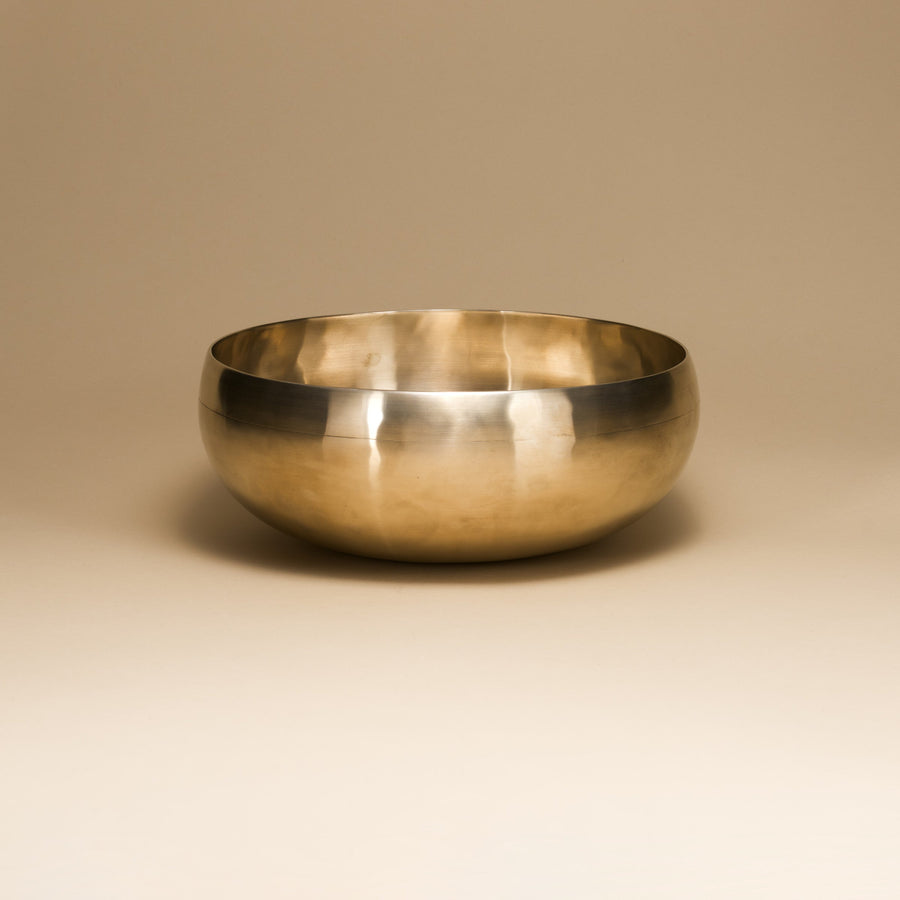
How to create a mini sound journey at home – with a single singing bowl or with three different tones.
Weiterlesen →
Twelve minutes for fresh air, an open space, and a gentle sound: a mindful spring ritual for home.
Weiterlesen →
Kommentare
Kurze Gedanken zählen. Wenn du magst: setz den ersten Ton – oder antworte direkt mit @Name:
Pro-Tipp: Wenn du jemandem antworten willst, starte mit @Name:
Mach aus dem Lesen ein Ritual.
Wenn dich der Beitrag gerade trifft: nimm die Stimmung mit – als Duft, Deko oder Geschenkidee.
Mach aus dem Lesen ein Ritual.
Wenn dich der Beitrag gerade trifft: nimm die Stimmung mit – als Duft, Deko oder Geschenkidee.
Passt der Beitrag zu dir?
Zur Kollektion