

Mantra • Voice • Sound • Silence
A mantra ritual at home can be very simple: arrive, consciously repeat a familiar text or sound, then become still and end clearly. What matters is not volume or the number of repetitions, but a respectful approach to origin and meaning.
What is a mantra?
Mantras originate particularly from South Asian religious and spiritual traditions, including Hinduism and Buddhism. They are not simply arbitrary wellness phrases. Anyone using a traditional mantra should know its meaning, context, and, if possible, its pronunciation from a reliable source.
Anyone who does not want to use a religious text can instead hum a neutral sound or speak a short phrase of their own creation. This is not a traditional mantra practice, but it can create the same everyday framework of voice, repetition, and subsequent silence.
Preparation without special equipment
A quiet place to sit is enough. Have water ready and choose a volume that keeps your voice and breathing comfortable. In apartment buildings, being considerate of others is part of the ritual. A singing bowl is optional and can mark the beginning and end.
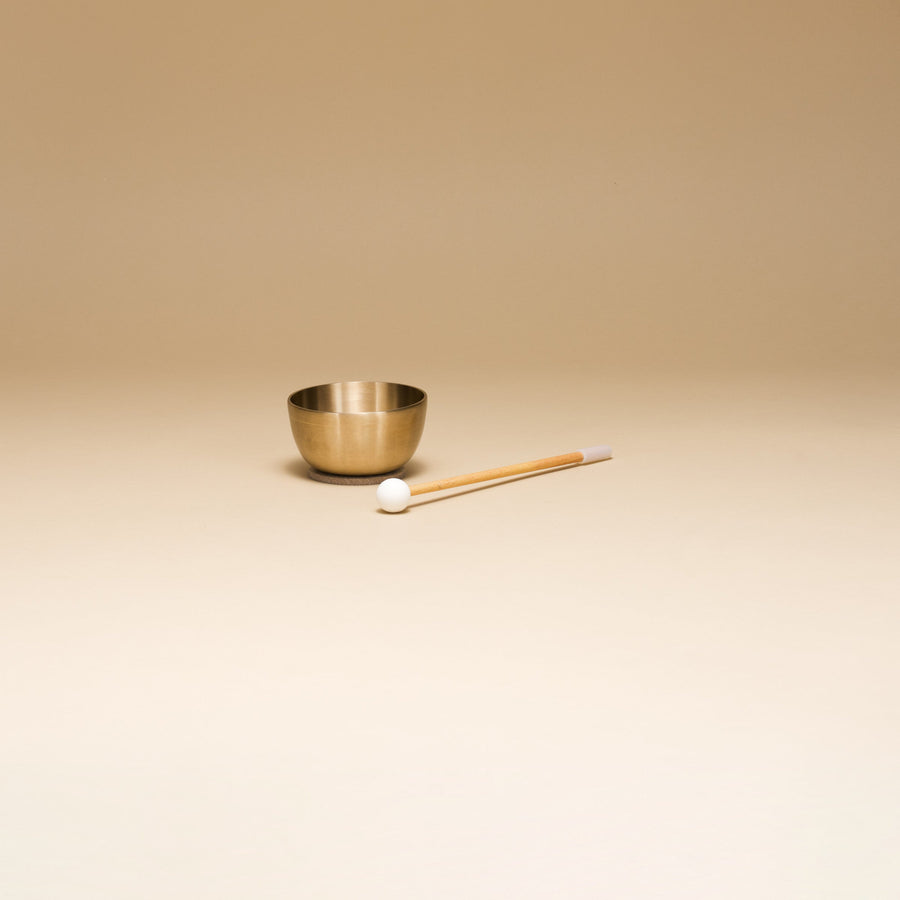
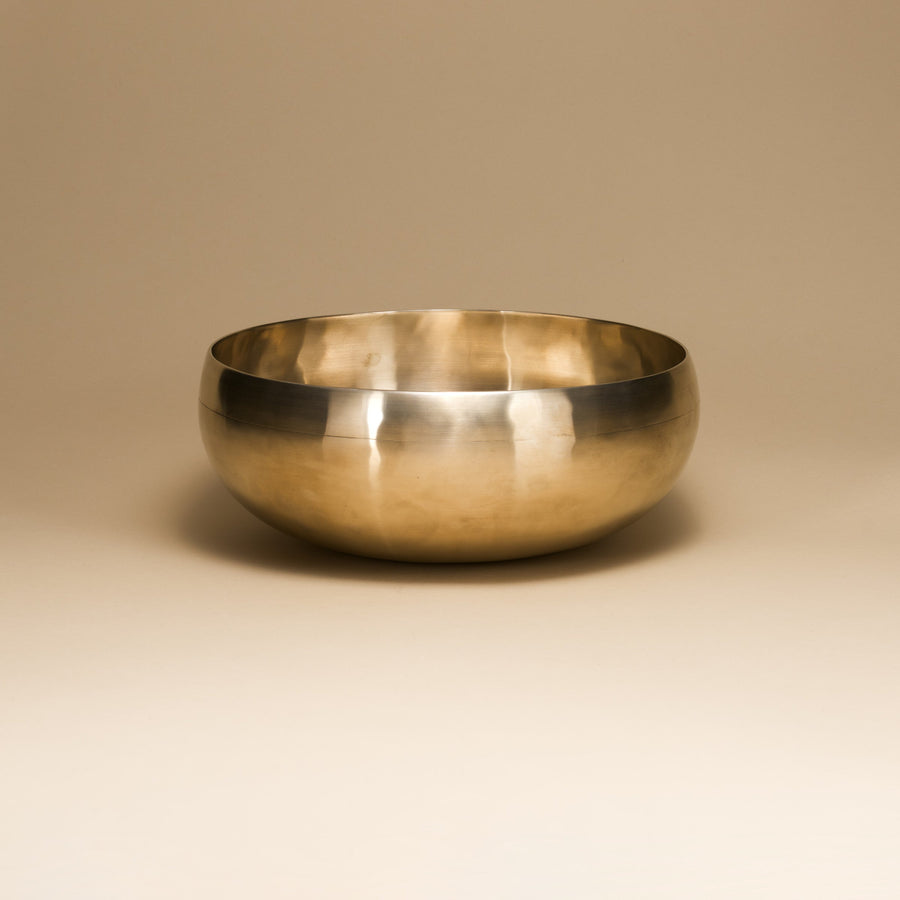
For a clear single tone, the Peter Hess® Zen Singing Bowl is suitable. The Peter Hess® Therapy Singing Bowl Meditation Set (Currently not available for order; 04.11.2026) combines the bowl with a suitable cushion.
The 10–15-minute routine
1. Arrive
Sit upright and comfortably. Relax your shoulders, do not clench your jaw, and take three normal breaths. No special breathing technique is required.
2. Decide on a text or sound
Decide before starting what will be repeated. Do not switch between several mantras during the exercise. Respect the meaning and origin of traditional texts; if in doubt, neutral humming is the simpler option.
3. Repeat
For five to eight minutes at a comfortable volume. Your voice can be quiet. As soon as your throat, breathing, or voice reacts uncomfortably, take a break or stop. A ritual is not voice training or a competition.
4. Silence
After the final repetition, do not speak or reach for your phone immediately for one to two minutes. Notice sounds, breathing, and the resonance.
5. Conclusion
Optionally strike the singing bowl gently once and let it ring out completely. Then stand up, drink water, and end the exercise.
Current sound and meditation events
As of August 23, 2026. For those interested in sound, two published events in Essen are particularly suitable: Yoga & Lunch at Baldeneysee on August 30 with sound healing and singing bowls, as well as Full Moon Yoga & Cacao on September 25 with meditation, a sound bath, and a drum journey. Current additions are available in the spiritual Ruhr area calendar.
For post-practice at home, a single quiet tone is often enough. Anyone who wants to consciously prepare the room beforehand will find incense and accessories in the current Incense & Rituals hub; fragrance remains optional and should not dominate the sound practice.
Combining a singing bowl and mantra effectively
The bowl should not overpower the voice. One tone at the beginning and one at the end are sufficient. For basic use, there is the guide Peter Hess® Zen Singing Bowl: Selection & Use. Anyone who prefers only listening will find a five-minute sound routine in the Meditation Set Guide.
When a break makes sense
Stop if you experience hoarseness, pain, dizziness, or breathing problems. Loud or prolonged singing should not be continued against physical warning signs. Sound and mantra practices are not a substitute for medical, psychological, or voice therapy.
Experience mantra and sound in the Ruhr area
Current dates are available in the post Sound Meditation & Mantra Chanting Dortmund 2026. The overarching calendar Spiritual Events & Rituals in the Ruhr Area additionally combines the topic with yoga, meditation, cacao, and nature offerings.
Sound as a ritual companion
View the Peter Hess® Zen Singing Bowl →
Meditation Set (Currently not available for order; 04.11.2026) · Peace Singing Bowl · All Singing Bowls
Frequently Asked Questions
Do I have to use Sanskrit?
No. If you use traditional mantras, context is important. For a secular exercise, you can also hum or use your own short phrase.
How many times does a mantra need to be repeated?
For a personal ritual, there is no required number. A clear time frame is usually more helpful for beginners.
Do I need a singing bowl?
No. It is an optional acoustic framework.

Kommentare
Kurze Gedanken zählen. Wenn du magst: setz den ersten Ton – oder antworte direkt mit @Name:
Pro-Tipp: Wenn du jemandem antworten willst, starte mit @Name:
Mach aus dem Lesen ein Ritual.
Wenn dich der Beitrag gerade trifft: nimm die Stimmung mit – als Duft, Deko oder Geschenkidee.
Mach aus dem Lesen ein Ritual.
Wenn dich der Beitrag gerade trifft: nimm die Stimmung mit – als Duft, Deko oder Geschenkidee.
Passt der Beitrag zu dir?
Zur Kollektion