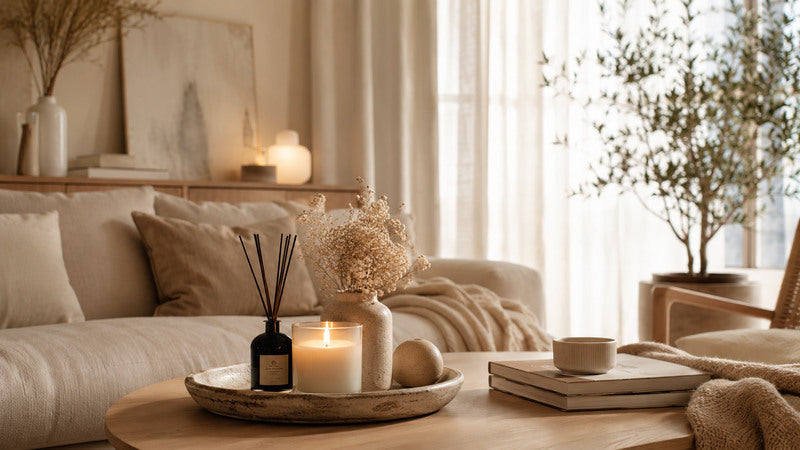
Incense burning – the easy introduction to fragrance, ritual & spatial atmosphere

Incense burning is much more than "just a fragrance". It is a conscious act that transforms spaces, makes transitions tangible, and creates small breaks in everyday life.
Whether you use incense as an evening ritual, to get in the mood for the seasons, or simply because you love warm, natural scents: with a few basics, burning incense quickly becomes an uncomplicated, safe, and truly beautiful routine.
In this article I'll show you the most important basics: what types of incense there are, which methods are suitable for beginners, which accessories are really useful – and which tips will help you to make it smell pleasant (instead of being too strong or "scratchy").
What does "smoking" actually mean?
When burning incense, natural fragrances are ignited by heat. The resulting smoke carries the fragrance molecules into the air – and this is precisely how that special atmosphere is created. In many cultures, incense was traditionally used in mindful rituals, but today it is primarily one thing: a tool for consciously designed spaces.
If you are looking for a neutral explanation, you can find a good overview here: Wikipedia – Smoking .
What types of incense are there?
1) Resins
Resins are "tree treasures"—they usually have a deep, warm, often balsamic, and very distinctive fragrance. Frankincense and myrrh are classic examples. Resins are great if you want a dense, well-rounded cloud of fragrance—they work best on charcoal or a sieve.
You can find more background information here: Wikipedia – Frankincense · Wikipedia – Myrrh
2) Herbs & Leaves
Herbs are often lighter, fresher, or more bitter. They are perfect for gentle incense burning and for those who are sensitive to heavy smoke. Many herbs can be easily "dosed": a small amount, a short time, and you're done.
3) Woods, barks & spices
Woods and barks bring warmth and texture to the fragrance. Spices (e.g., clove, cinnamon) often evoke winter and coziness. Ideal for seasonal mindful rituals or if you like a warm, culinary touch in the room.
4) Incense blends
If you want a harmonious result right away without much experimentation, incense blends are ideal. They are composed so that fragrance, smoke production, and intensity are well-balanced. Especially for beginners, blends are often the most pleasant choice.
Shop tip: You can find a selection of incense here: Discover incense .
The 3 common smoking methods – and which one is right for you
Method A: Smoking on charcoal (classic & intensive)
You light a charcoal disc, wait until it's glowing hot, and then place the incense on it. This is powerful, rich, and very traditional – but also the most intense method. For beginners: start very small.
Method B: Gentle smoking on a sieve or stove (my beginner's favorite)
Here, the incense is heated indirectly. The fragrance is more subtle, controlled, and often significantly more pleasant. For many, this is the best method for everyday use because you can better control the intensity.
Method C: Incense sticks (practical, but less flexible)
Incense sticks are easy to use, but you can't really control the scent and intensity. If you like to find "your" perfect fragrance and want to be able to precisely control the amount, you'll usually be happier with resins/herbs and a sieve/burner.
You can find accessories here: View smoking accessories .
Smoking for beginners: Step-by-step
- Prepare the room briefly: ventilate for 1-2 minutes to ensure the air is fresh.
- Fireproof surface: Place the incense burner securely (not on a wobbly table edge).
- Start gently: If possible, use a sieve/cooker instead of charcoal.
- Small amount: Use very little incense – you can always add more later.
- Observe the scent: How does it develop after 2-3 minutes? Too strong? Then reduce the intensity or shorten the duration.
- Then ventilate: This makes the scent clearer and prevents "heaviness" in the air.
Tips & tricks to keep smoking enjoyable
1) Less is more
The most common beginner mistake: using too much incense. Start with a tiny amount. You'll be surprised how quickly the fragrance spreads.
2) Use “fragrance intervals”
Instead of burning incense for 20 minutes: burn for 5 minutes, pause for 2 minutes, and possibly burn for another 3 minutes. This keeps the air fresh and the fragrance more refined.
3) Pay attention to room size
In small rooms, smoking can quickly become too intense. A sieve/smoke burner is invaluable here because the smoke is produced much more gently.
4) Fragrance balance: warm + fresh
A little "pro tip": Combine warm resins/spices with a hint of herbs. This makes the fragrance more rounded and less "heavy".
5) Storing incense correctly
Store in a dry, dark, and tightly sealed container. This will preserve the fragrance and quality – and ensure you can enjoy it for a long time.
Incense burning throughout the year: Which scents are appropriate when?
Winter (Advent, Twelve Days of Christmas, New Year's Eve)
Spicy, warm, resinous notes are a particularly good fit: spices, resins, deep blends. If you're interested in the tradition of the Twelve Days of Christmas: Wikipedia – Twelve Days of Christmas .
Spring
Lighter, fresher, clearer: herbs, gentle blends, subtle woods. Ideal for "new start" mindful rituals and a clear atmosphere.
Summer
Less smoke, shorter burning sessions, preferably in the evening. Gentle scents work best here.
Autumn
Warmer, earthier, cozier: woods, mild resins and spicy accents – perfect for slowing-down evenings.
A simple everyday ritual (2-5 minutes)
You don't need a complicated setup. Try this:
- Ventilate for 1 minute
- small amount of incense (gently on the sieve)
- an intention (e.g. “calm”, “clarity”, “warmth”)
- Smoke for 2 minutes
- Briefly ventilate – done
The result: A room that feels "new" – without effort, but with impact.
Safety: Please always observe
- Never use incense unattended .
- Incense burners get hot – always place them on fireproof surfaces .
- Keep out of reach of children and pets .
- Ventilate well after smoking.
Incense and incense blends are not medicinal products or remedies and are intended solely for room fragrance. If you are pregnant, have respiratory problems, or are sensitive to these substances, please use with caution or seek professional advice.
Discover incense: Your next step
If you're now inspired to integrate incense burning into your daily life, it's best to start with a harmonious blend and gentle accessories. This way, you'll quickly discover which scents suit you – and incense burning will become a ritual that truly brings joy.
Browse directly here:
Incense · Incense Accessories · Candles & mindful rituals
If you'd like to delve deeper: In our blog section you'll find further inspiration about fragrances, mindful rituals and interior design.
Visit the blog “Ritual & Space”
More inspiration from ritual & space
- mindful rituals in everyday life – peace and energy
- Scent in a room – effects and mindful rituals
- Zen living culture – tranquility and minimalism
Discover all articles from the Ritual & Space blog →
Das könnte dir auch gefallen
02.08.2026
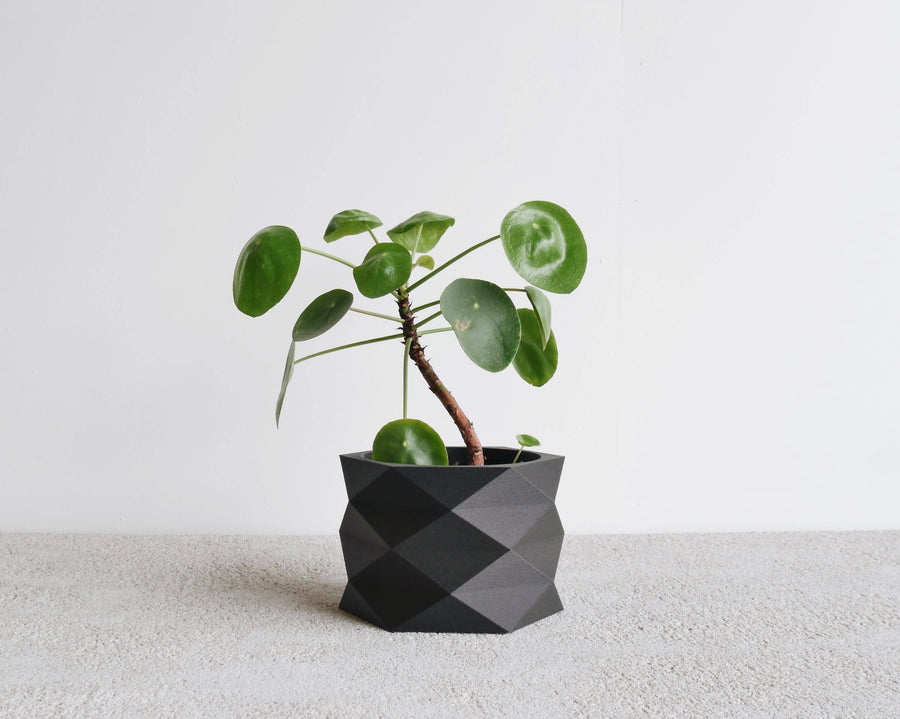
Product Launch: Diamond Indoor Planter
Diamond Planter: Geometric Plant, Light, and Scent Ideas.
Weiterlesen →
Link kopiert.




Kommentare
Kurze Gedanken zählen. Wenn du magst: setz den ersten Ton – oder antworte direkt mit @Name:
Pro-Tipp: Wenn du jemandem antworten willst, starte mit @Name:
Mach aus dem Lesen ein Ritual.
Wenn dich der Beitrag gerade trifft: nimm die Stimmung mit – als Duft, Deko oder Geschenkidee.
Mach aus dem Lesen ein Ritual.
Wenn dich der Beitrag gerade trifft: nimm die Stimmung mit – als Duft, Deko oder Geschenkidee.
Passt der Beitrag zu dir?
Zur Kollektion