03.08.2026
DI empfiehlt: neue Produkte und Sommertermine im Ruhrgebiet
Ich bin DI, Gründer von SteinKunstWerk. Meine neuen Produktfavoriten und persönlichen Sommertermine im Ruhrgebiet für...
Weiterlesen →
This third part of our blog series is about how you can integrate candles into your everyday life – without effort, without pressure and without expectations.
This post is part of a three-part blog series about 20-minute candles and conscious mini-breaks.
mindful rituals give structure to everyday life without restricting it. They mark transitions, provide orientation, and help both body and mind to switch between activity and rest.
The 20-minute candles are ideal because they provide a clear time frame. You don't have to measure or check anything. The candle burns – and during that time you can simply be present.
Before you light your candle, it's worth consciously preparing for the moment. This doesn't mean making everything perfect, but rather minimizing distractions as much as possible.
This preparation alone signals that something different is about to begin than the rest of the day.
Many people find mornings hectic. This is precisely where a 20-minute candle can help, allowing you to start the day more calmly and clearly.
Here's what your morning ritual could look like:
You don't have to meditate or "achieve" anything. Simply being present is enough. Many people use variations like Calm & Clarity or I am mindful & focused in the mornings.
In everyday life – especially in a work context – we tend to skip breaks. The 20-minute candles offer a clear invitation to take a short break.
A conscious break can look like this:
This type of break often has a more lasting effect than scrolling or distractions because it truly relieves the mind. Suitable variations include, for example, Calm & Clarity or I am grounded & strong .
For many people, the evening is the most important moment for a ritual. It's about letting go of the day and transitioning into a peaceful state.
A possible evening ritual:
Many people use variations like Restore & Recharge , I am relaxed & calm or Silence & Space in the evenings.
The affirmation cards are not mandatory. They are an option. Some read them aloud, others silently, and still others do without them altogether.
You can:
What's important is not the repetition, but the attitude: friendly, open and without pressure.
Many people believe that mindfulness means having no thoughts. That's a misconception. Thoughts are allowed to be there.
When they appear, you can perceive them and gently return to the flame or your breath. Restlessness is also part of the ritual.
The candle doesn't judge. It burns.
There are no set rules. Some use the candles daily, others once or twice a week. What's important is not the frequency, but the awareness.
One honest moment per week can be more effective than a daily ritual without presence.
The 20-minute candles are not a rigid system. You can adapt them, change them, or even skip them. They are meant to support, not obligate.
Over time, a familiar routine often develops quite naturally. The body recognizes: Now I can let go.
When the candle goes out, your ritual ends. You don't need to record anything, evaluate anything, or document anything.
Twenty minutes are enough to make a difference – if you allow yourself to have them.
Discover all articles from the Ritual & Space blog →
Ich bin DI, Gründer von SteinKunstWerk. Meine neuen Produktfavoriten und persönlichen Sommertermine im Ruhrgebiet für...
Weiterlesen →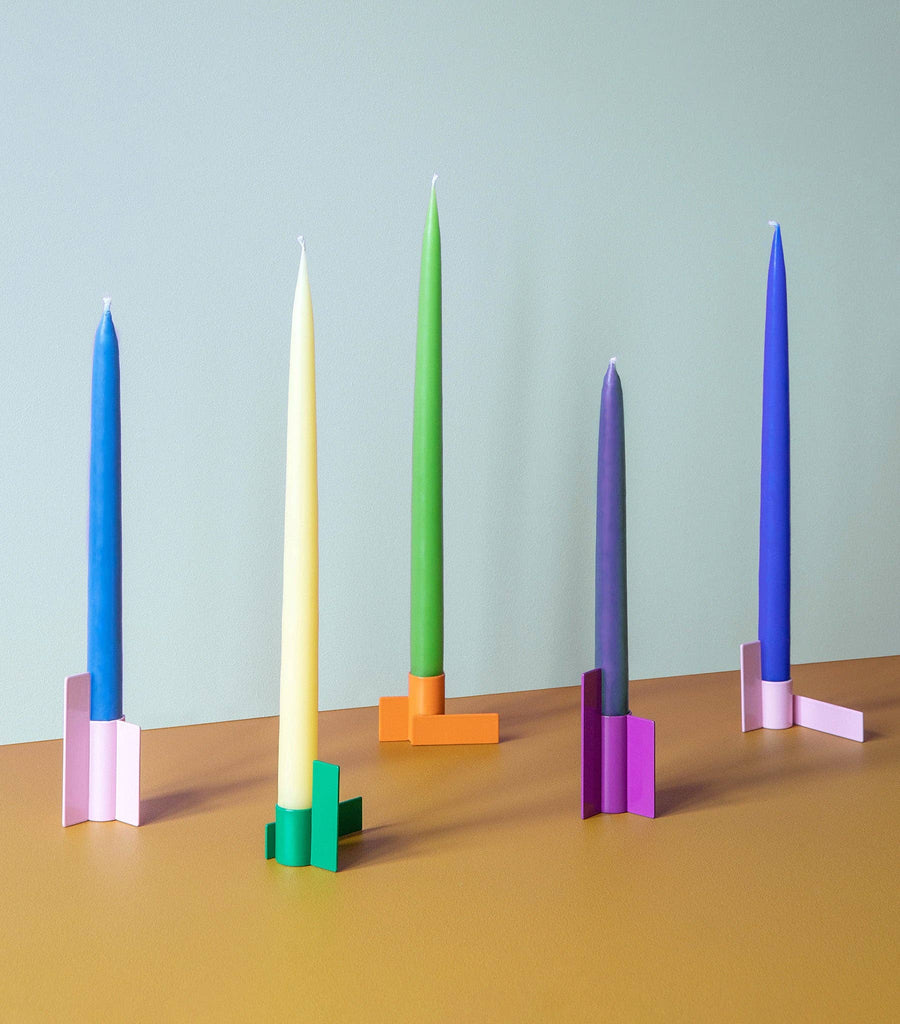
Icon 02 Candlestick: graphic decor, lighting and fragrance ideas, and safe use.
Weiterlesen →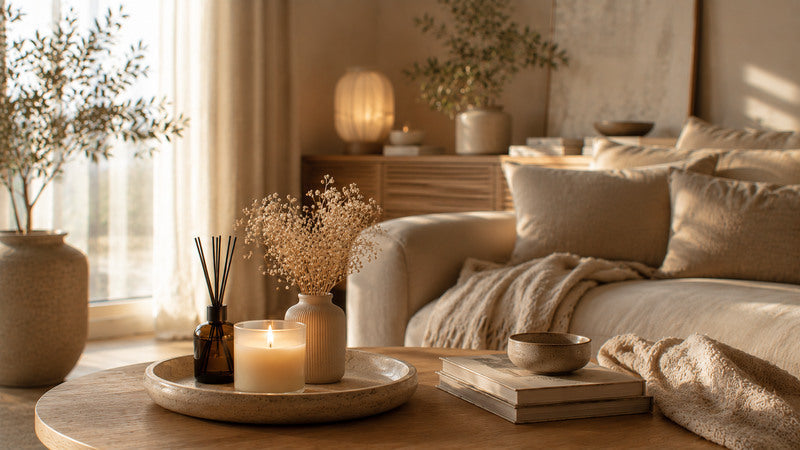




Kommentare
Kurze Gedanken zählen. Wenn du magst: setz den ersten Ton – oder antworte direkt mit @Name:
Pro-Tipp: Wenn du jemandem antworten willst, starte mit @Name:
Mach aus dem Lesen ein Ritual.
Wenn dich der Beitrag gerade trifft: nimm die Stimmung mit – als Duft, Deko oder Geschenkidee.
Mach aus dem Lesen ein Ritual.
Wenn dich der Beitrag gerade trifft: nimm die Stimmung mit – als Duft, Deko oder Geschenkidee.
Passt der Beitrag zu dir?
Zur Kollektion