
14.10.2026
Home Spa Without a Bathtub: Winter Self-Care in 15–30 Minutes
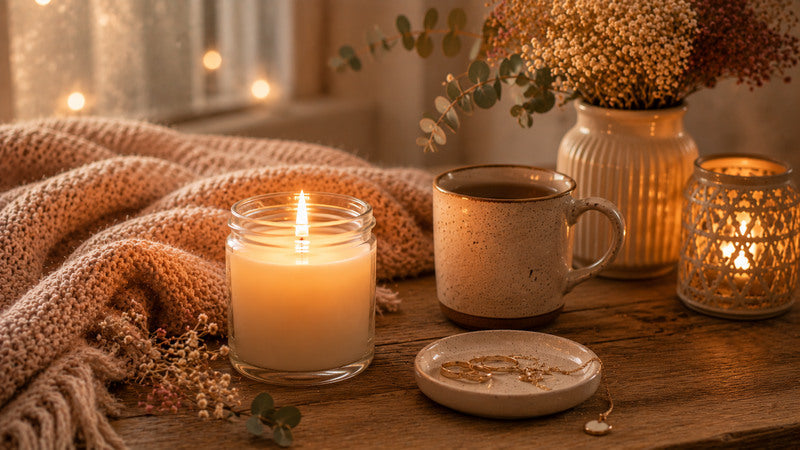
Home spa without a bathtub: simple breaks for autumn and winter. With matching soaps, an olive wood tray, and a tea i...
Weiterlesen →
Relaxation often sounds as if there is a proper method for it. Yoga. A bath. A walk. A book. A series night. Meditation. And preferably at the right time and for the right duration.
I think that is unnecessarily complicated. A break is good when it suits the day you have just had. After eight hours in front of a screen, I need something different than after a long day on my feet. After many conversations, quiet feels different than after a day when I have hardly seen anyone.
The Dutch article “Meer rust en ontspanning” asks exactly this personal question: Where and through what do we actually find peace? That is a good starting point – not as a recipe, but as an invitation to look more closely.
After a day full of news, emails, and decisions, another stream of information is not always the best break. Then a clear change can help: screen off, overhead lights dimmed, window open, get a cup, and do nothing new for ten minutes.
This fits well with our article End of the workday without constant input. It is not about organizing the evening perfectly, but about creating a visible transition.
Relaxation does not have to mean lying down. Someone who has been sitting at a desk for a long time may find a walk, a short bike ride, or a few gentle movements more pleasant than another hour on the sofa.
The important thing is not to immediately turn it into a training goal. A walk without a step count and without performance expectations is something different from a workout. Sometimes that is exactly the point.
After a day with customers, colleagues, family, or many conversations, fifteen minutes without speech can be surprisingly valuable. No podcast, no phone call, no conversation in the background.
That does not have to be rude. People who live with others can even agree on such short times to themselves. Not every free minute has to be filled together.
A bath can be nice, but a ritual does not need a bathtub. A regular shower can also create a clear break between the day's program and the evening – warm water, a fresh towel, then comfortable clothes – that is all it needs to be.
Anyone who wants to turn this into a little home spa moment will find more ideas in Autumn Home Spa in the Evening. The key remains: The ritual should relieve you, not become a new to-do list.
A book, a movie, or a series can be exactly the right kind of break. Not every recovery has to be quiet or particularly mindful. Letting yourself get lost in a story for a while can simply be pleasant.
For me, the difference lies in whether I consciously choose something or just keep scrolling through content. A movie I really want to see feels different than forty minutes of random short videos.
Sometimes even making tea, lighting a candle, and choosing music is already too much of a program. Then the break can be smaller: sit down, drink water, look out the window, decide nothing for a moment.
That sounds almost too simple. That is exactly why it works better than a big ritual on some days.
I would therefore not ask: “What is the best relaxation method?” Instead: What do I need less of after exactly this day – and what perhaps a little more?
This way, self-care does not become an additional discipline. It remains flexible and can look a little different every day.
This series continues: More peace in the room: 5 small changes for a home with fewer stimuli · Do not react immediately: the 60-second break for hectic moments
About DI: DI is the editorial pseudonym of the founder of SteinKunstWerk. This is about small rituals, fragrance, living atmosphere, and mindful moments in everyday life – without the expectation of perfect routines.
Home spa without a bathtub: simple breaks for autumn and winter. With matching soaps, an olive wood tray, and a tea i...
Weiterlesen →
When is Thanksgiving 2027? A guide to October 3, along with peaceful decoration ideas, lights, natural materials, and...
Weiterlesen →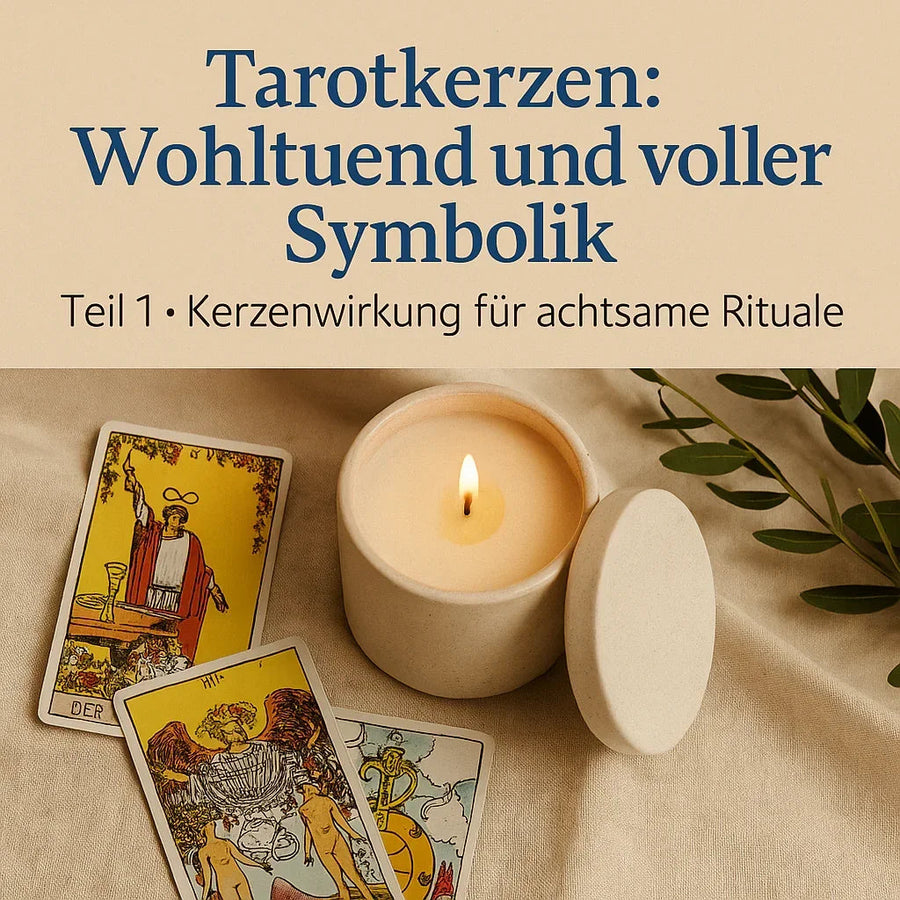
A simple five-minute tarot candle ritual: choose a card, formulate a question, reflect, and write down one concrete n...
Weiterlesen →
Kommentare
Kurze Gedanken zählen. Wenn du magst: setz den ersten Ton – oder antworte direkt mit @Name:
Pro-Tipp: Wenn du jemandem antworten willst, starte mit @Name:
Mach aus dem Lesen ein Ritual.
Wenn dich der Beitrag gerade trifft: nimm die Stimmung mit – als Duft, Deko oder Geschenkidee.
Mach aus dem Lesen ein Ritual.
Wenn dich der Beitrag gerade trifft: nimm die Stimmung mit – als Duft, Deko oder Geschenkidee.
Passt der Beitrag zu dir?
Zur Kollektion